About 2017: Integrating Technology
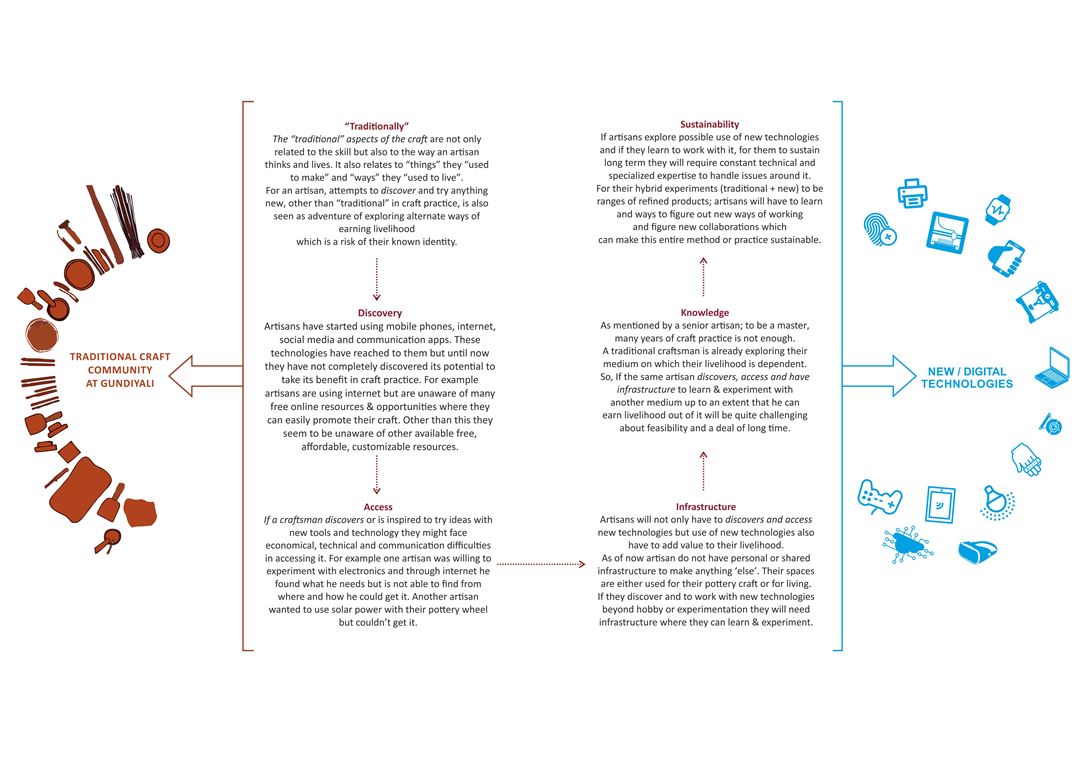
Technological advancements constantly create possibilities by catalysing interaction between people, objects and spaces in the immediate environment. In India, traditional crafts are a representation of our cultural identity and also a primary source of livelihood for many communities. While earlier technological developments were seen as threats to craft have given birth to multiple subcultures like the ‘Maker Movement’, ‘DIY Culture’ and ‘Open Source Movement’. Technology, over time has become easily accessible. It has helped people in exploring new ideas across many domains. Connecting the dots, this research-based design project was initiated to explore possibilities of complementing traditional craft practices using digital technology.
Project: Kalakosh
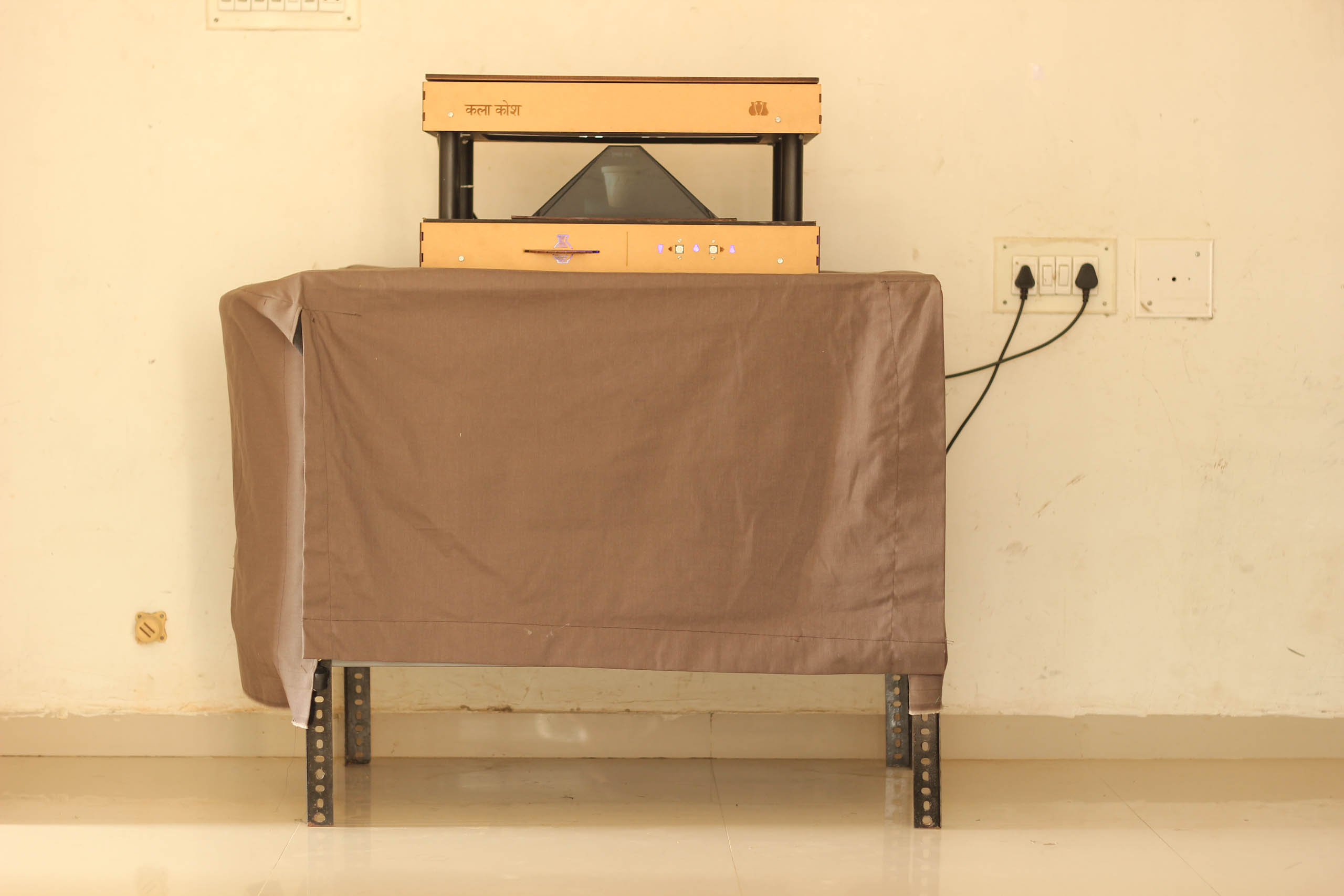
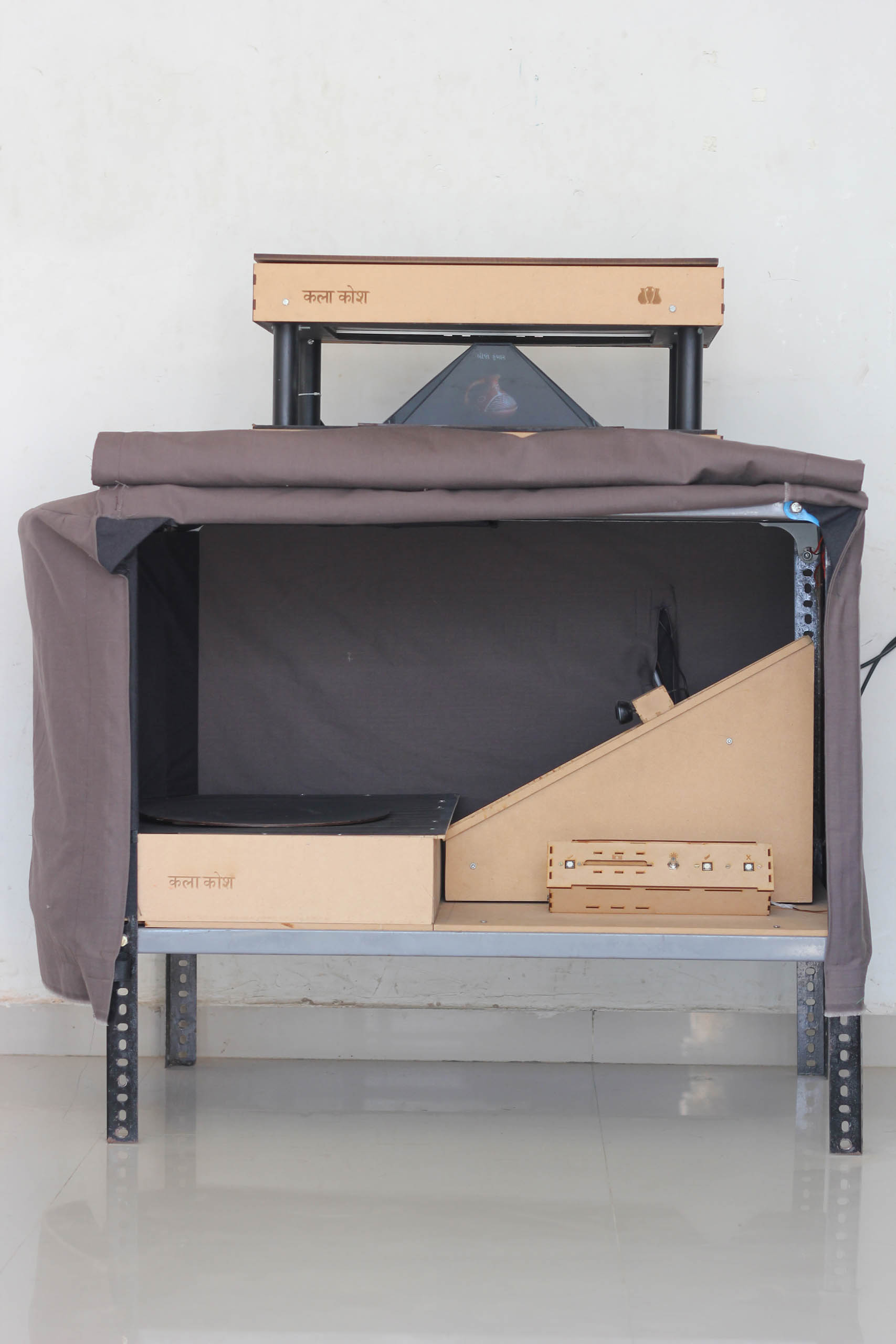
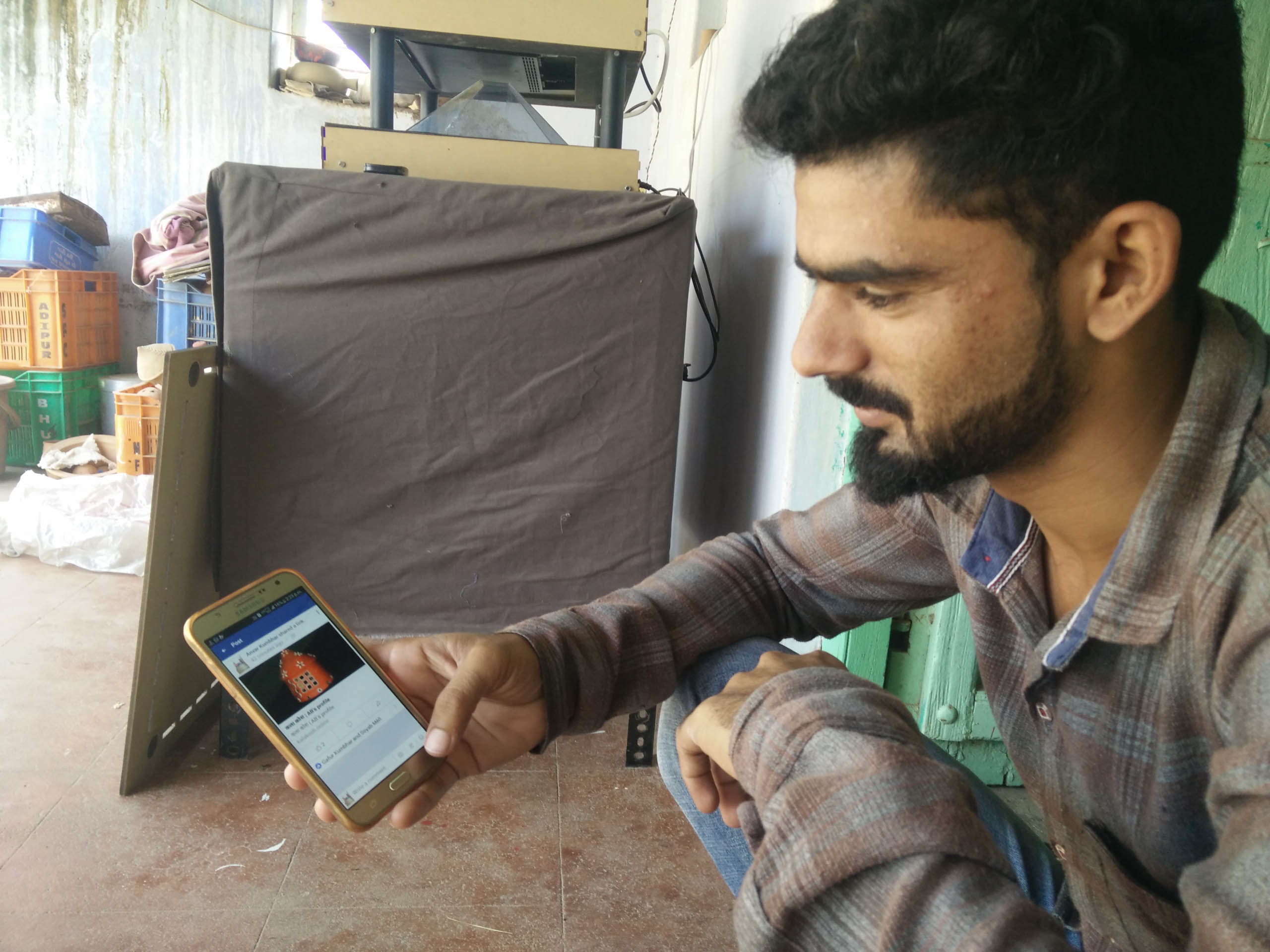
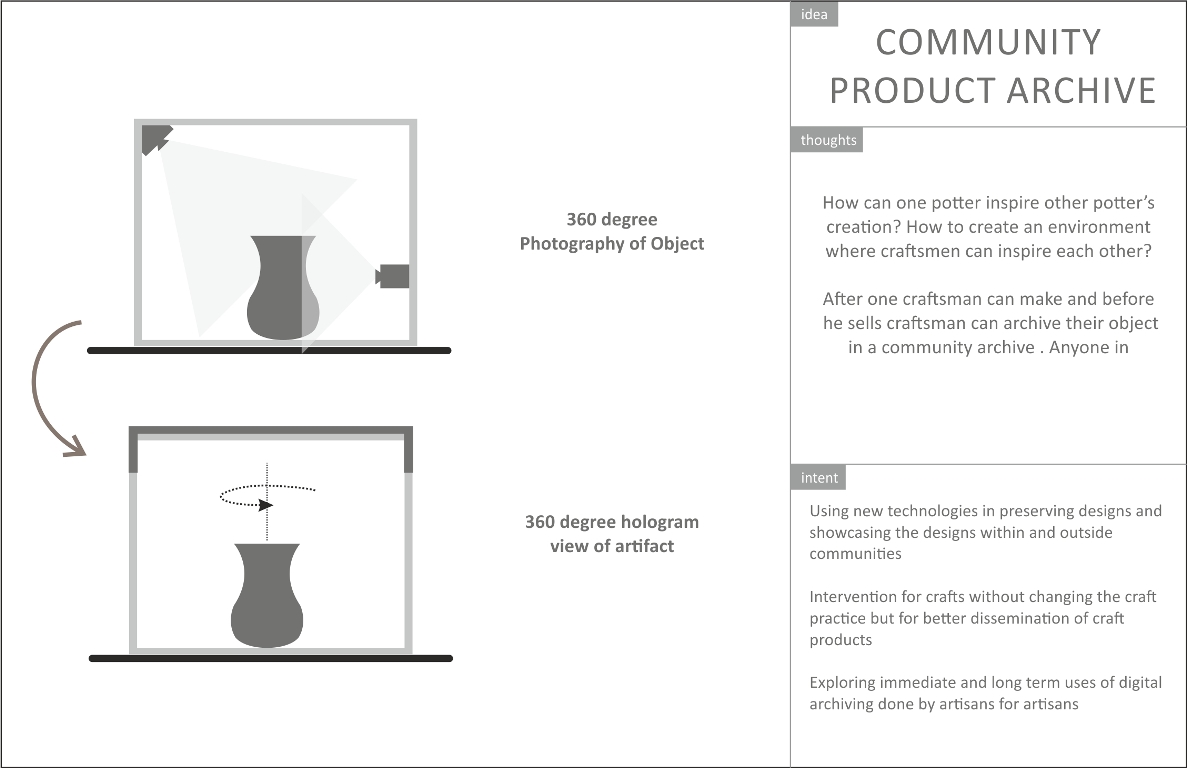
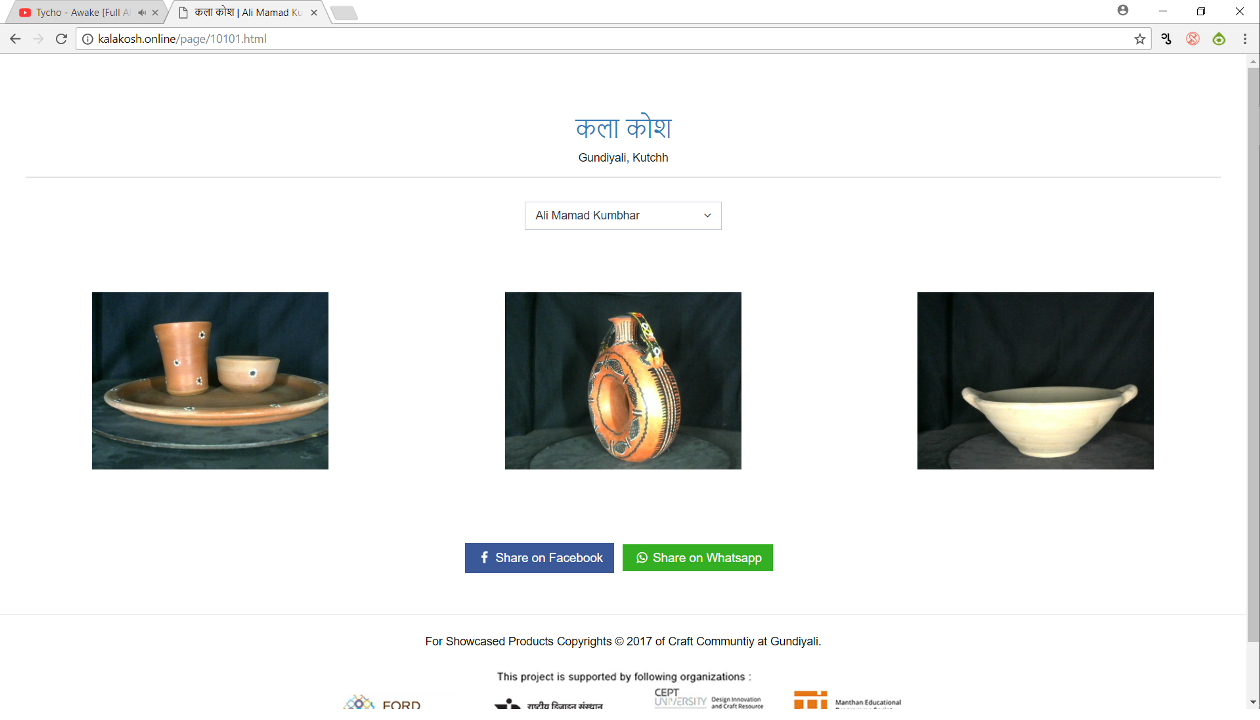
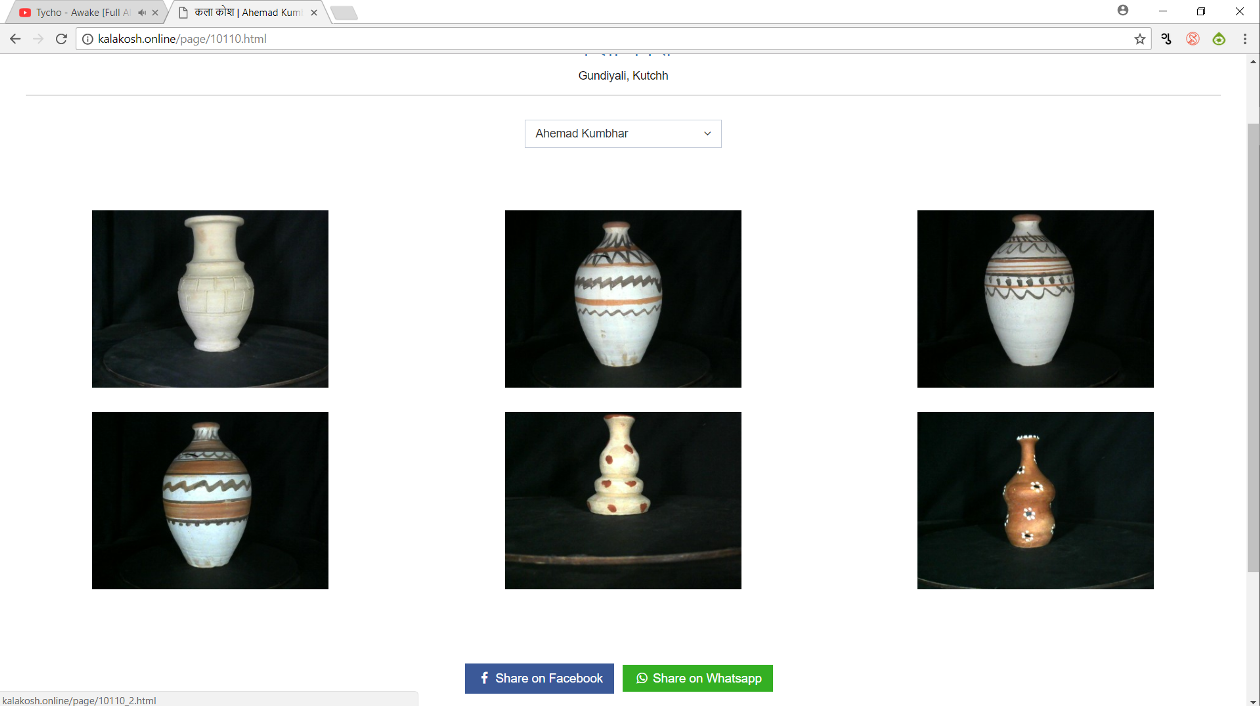
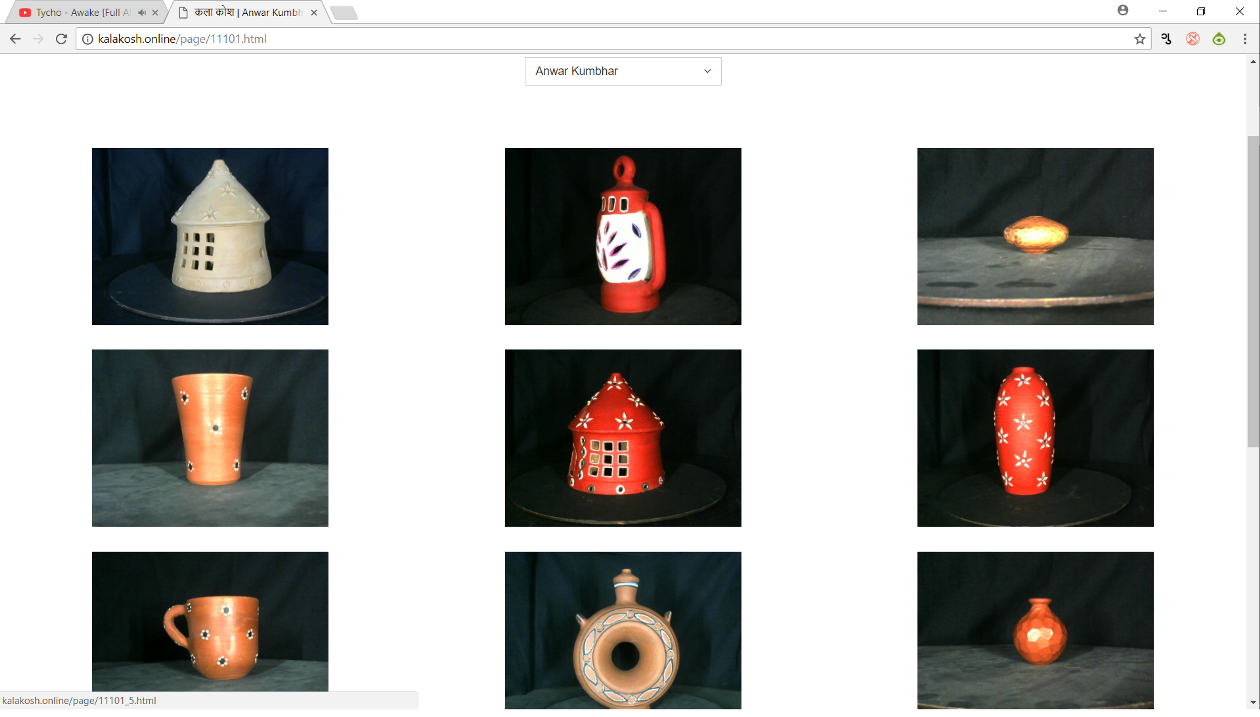
A digital archive ‘Kalakosh’, was created, an outcome of technology integration, where ‘Kala’, refers to skill involved with craft, ‘Kosh’, referring to an archive. It enables traditional craft communities to digitally archive designs of their hand-crafted artefacts. It empowers craftspeople to showcase and share digital representation of their artefacts across multiple mediums and contexts. The project was done by Bhargav Padhiyar as a part of his graduation project at National Institute of Design, Gandhinagar.
Stages of prototyping
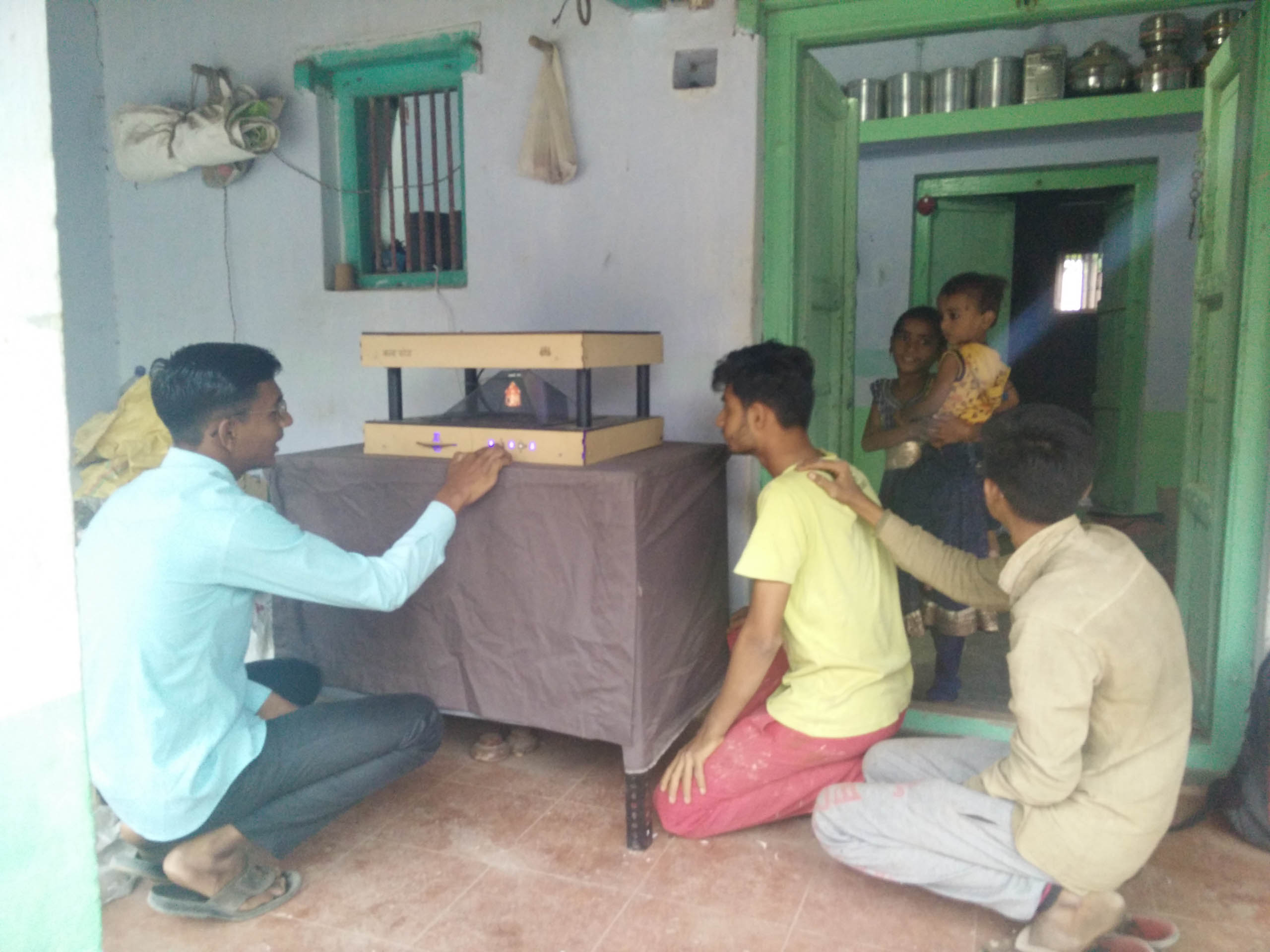
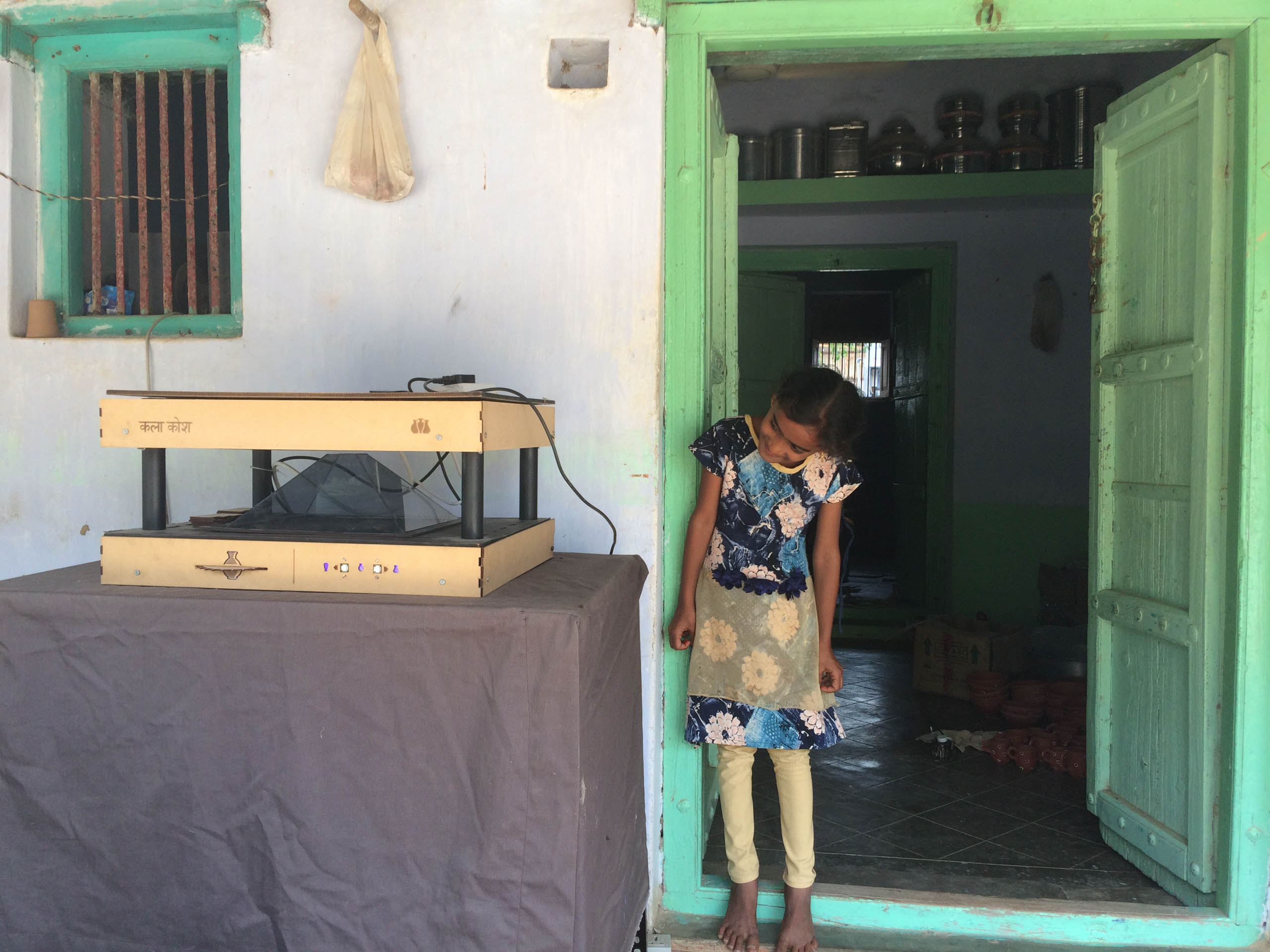
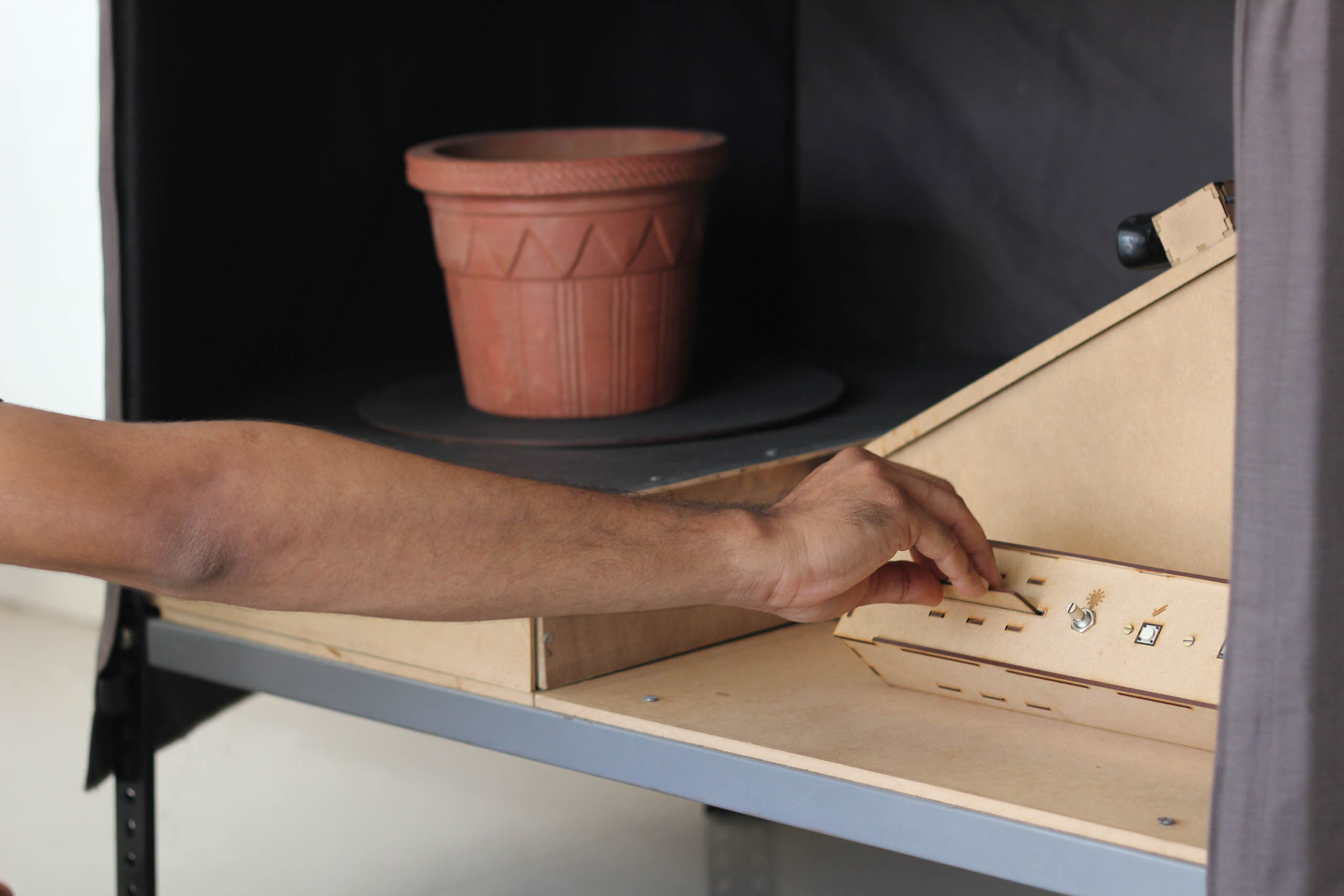
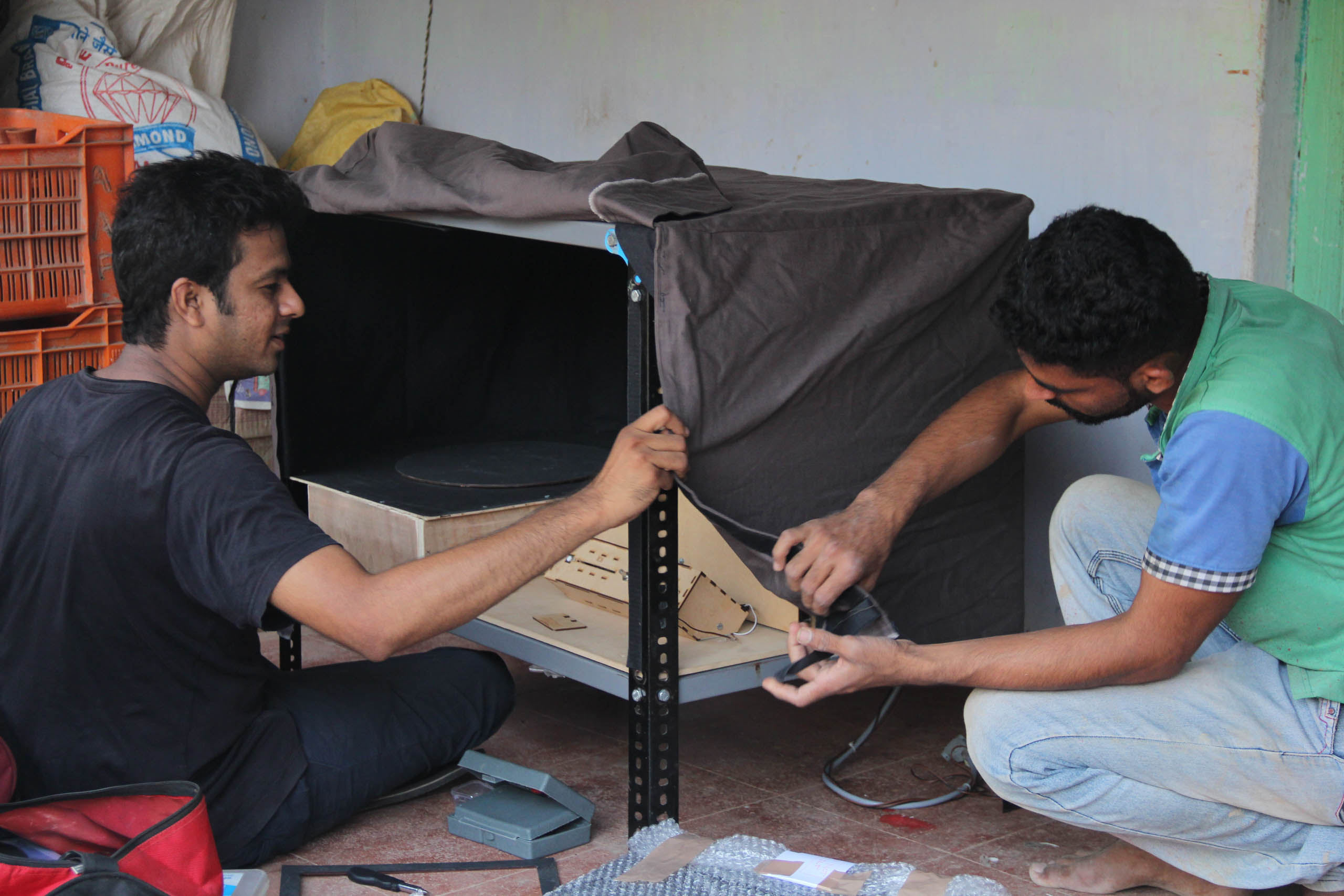
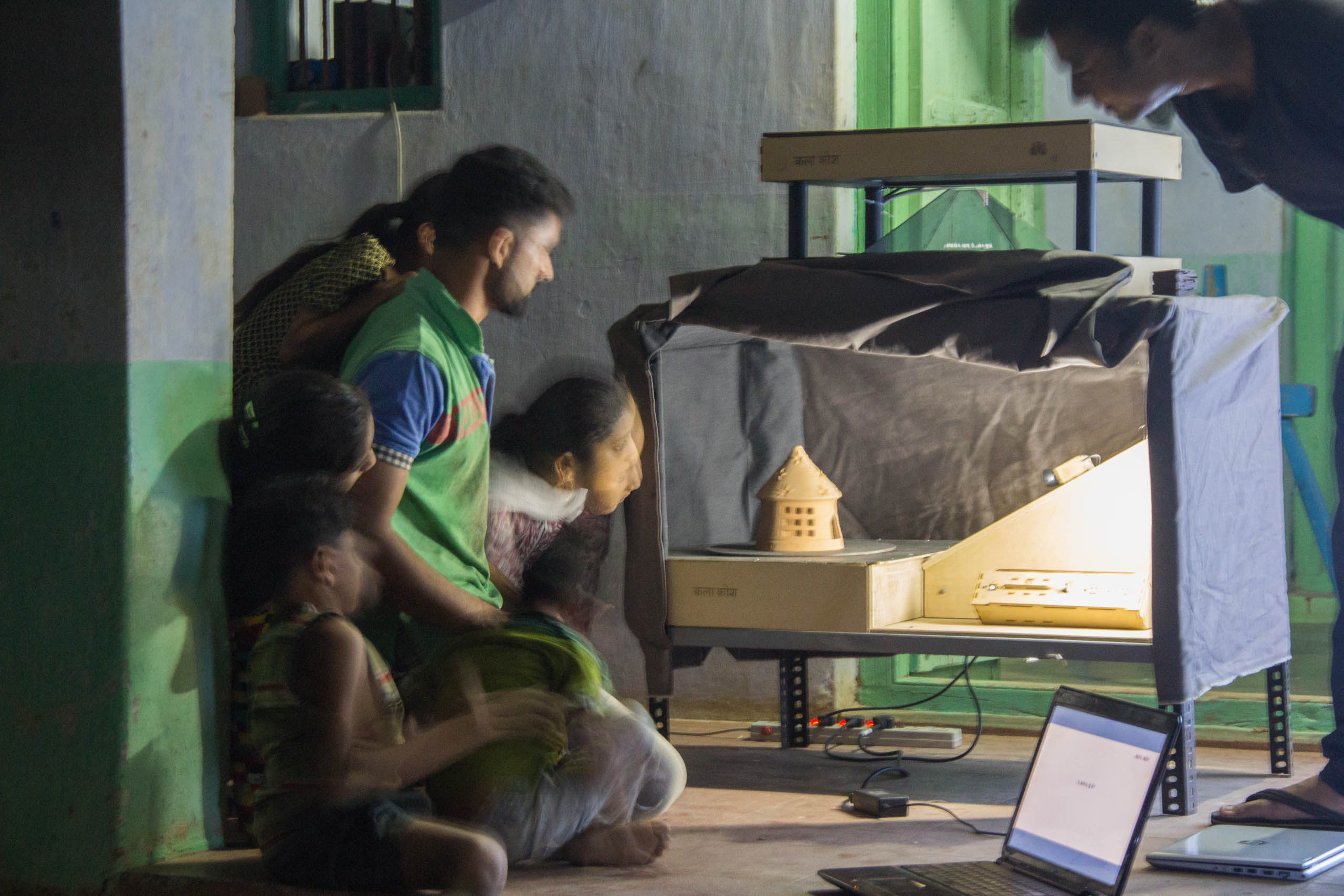
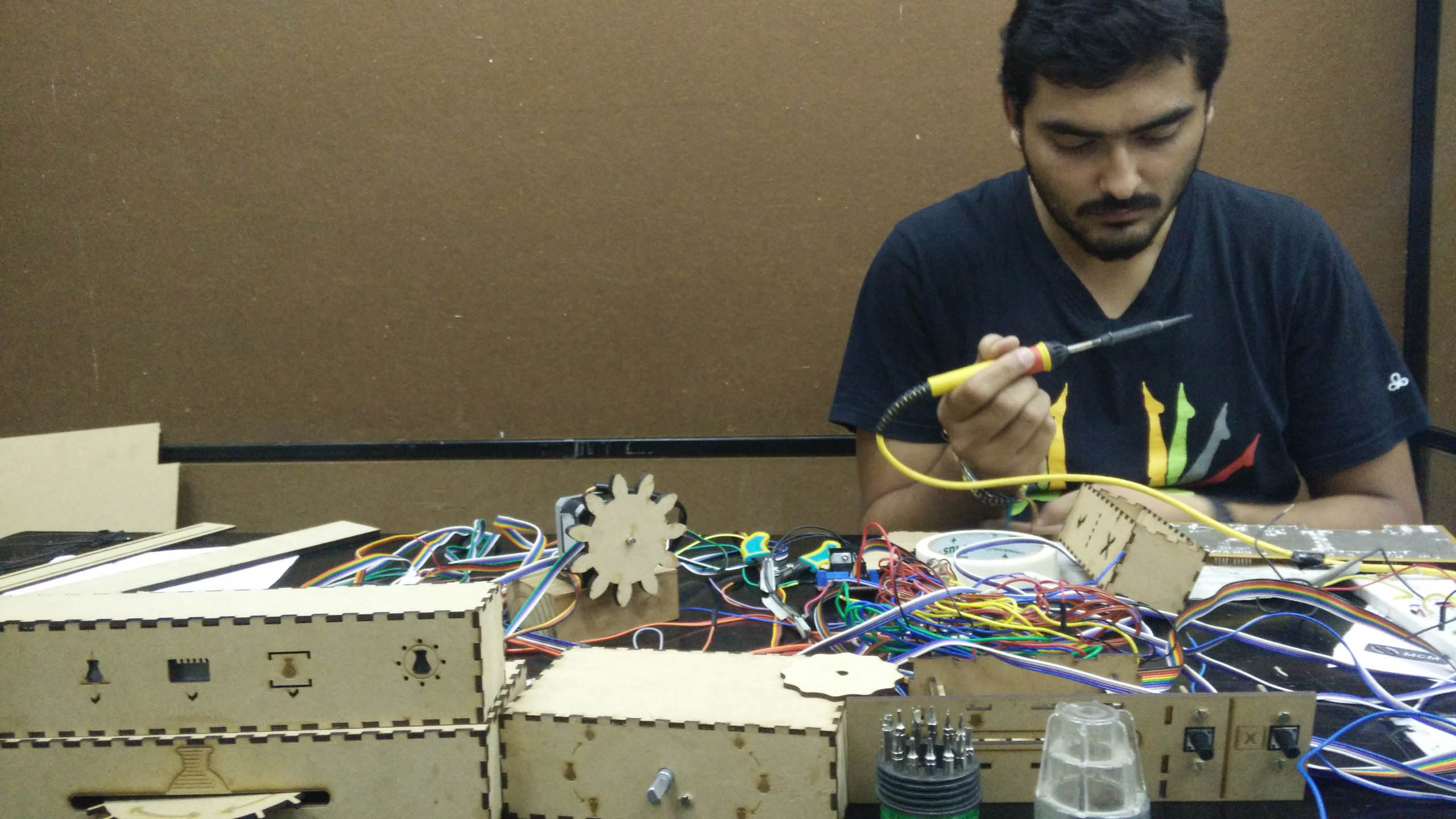
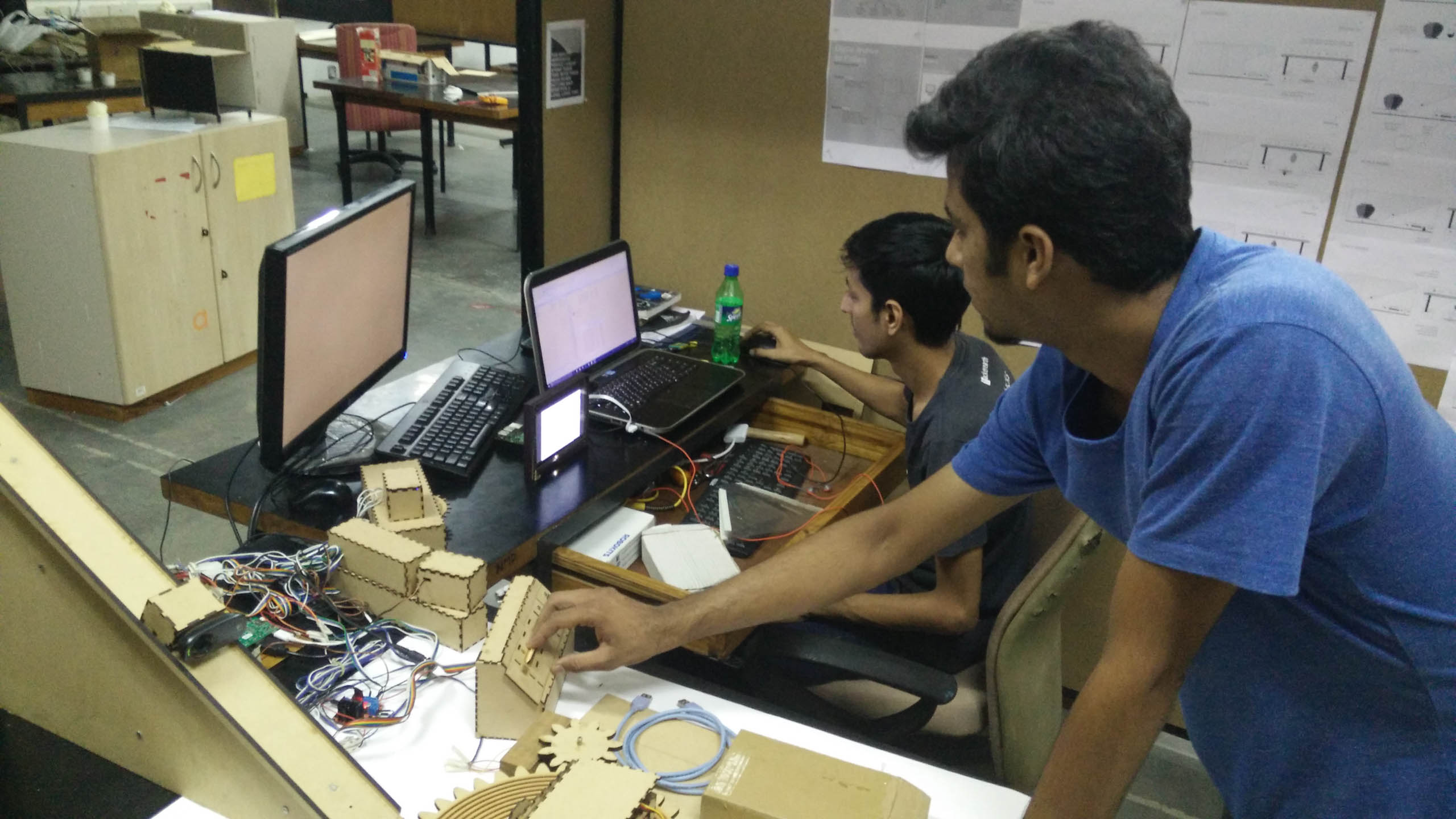
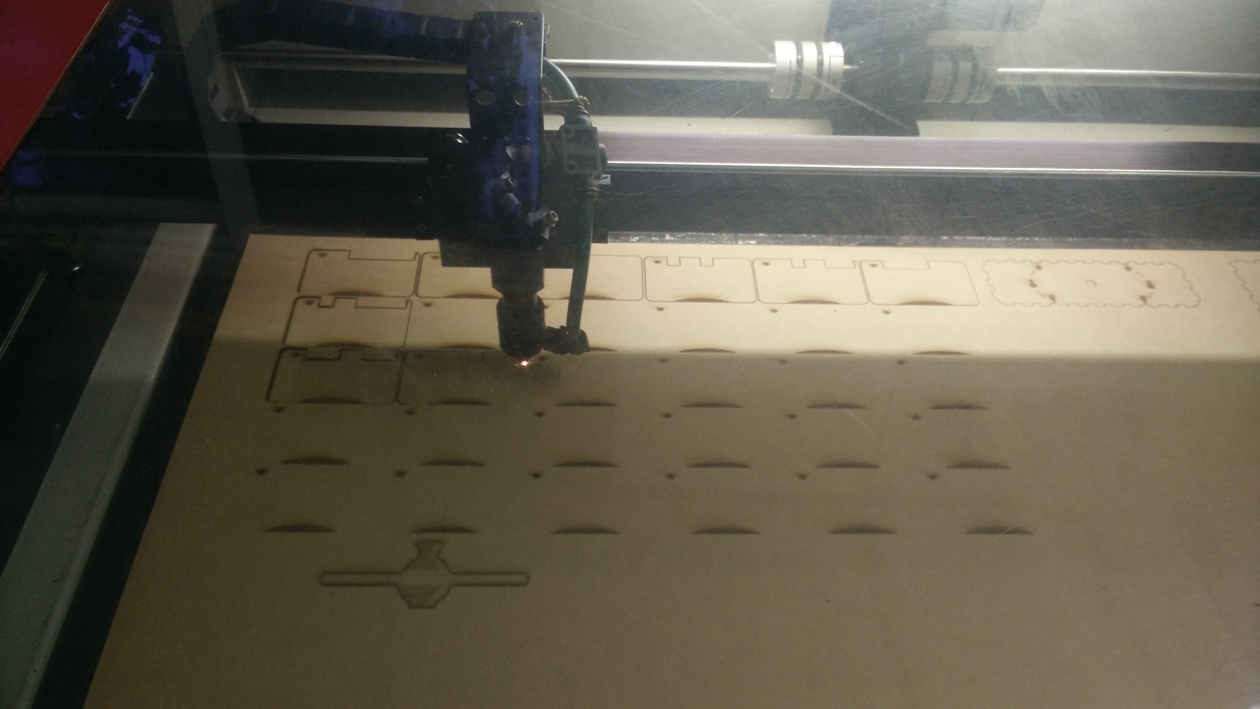
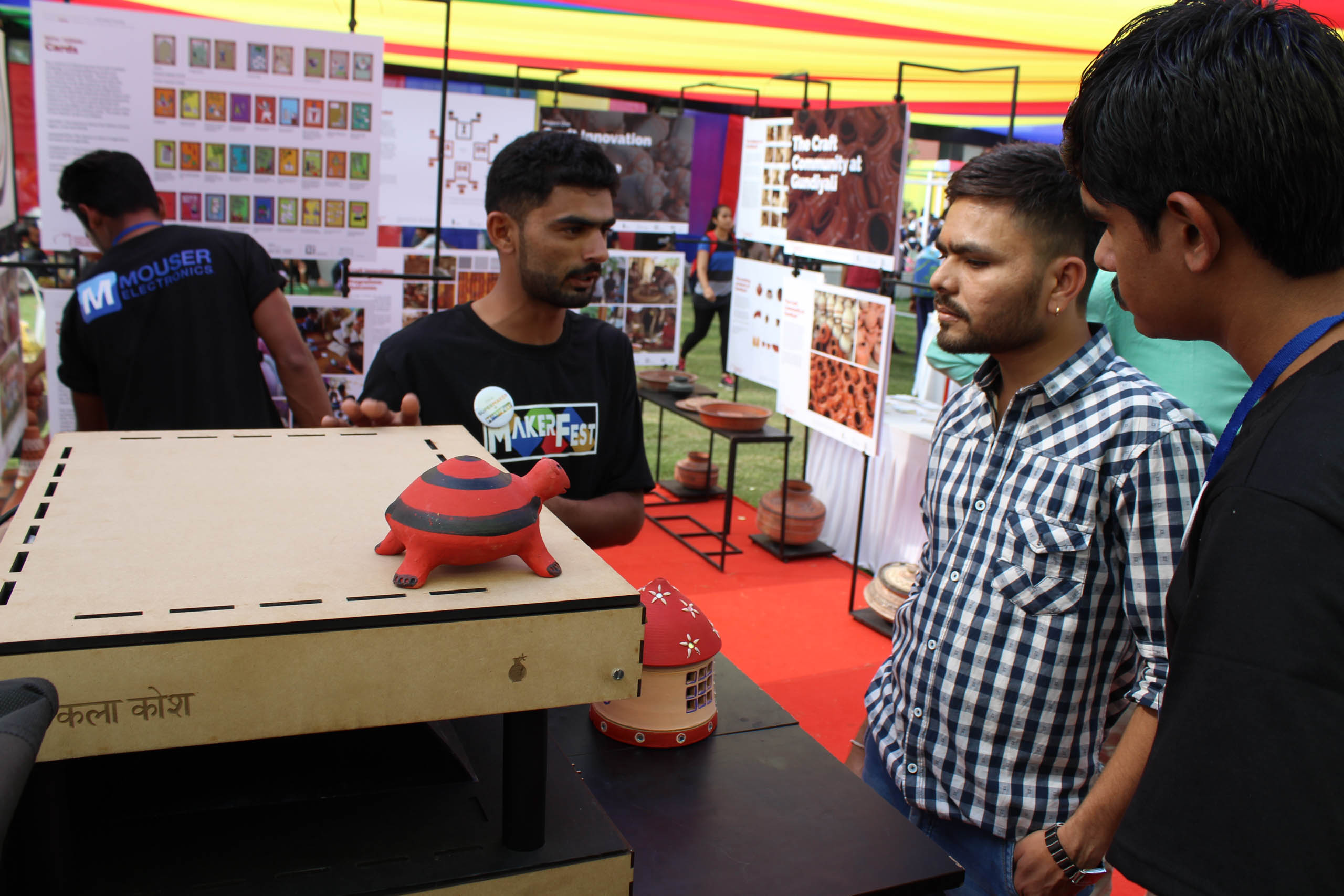
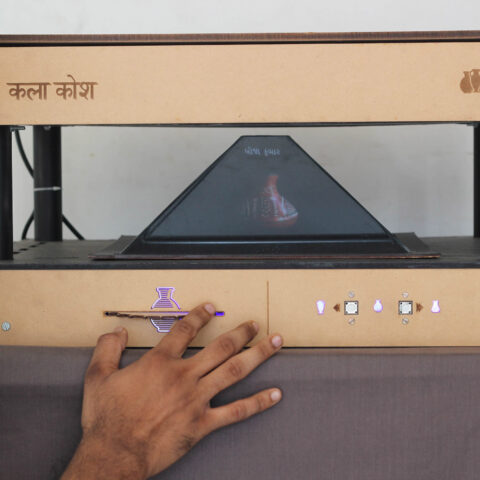
While building the digital archiving system, the first step was to gauge the interest level of the community followed by a rapid prototyping journey to demonstrate the idea. The prototype plan was to create a digital hologram of any artefact placed on the turntable, which was executed using open source technologies, run on a windows system with a basic webcam.
The third prototype was designed, developed and tested for long hours, and it ran independently without any errors. With a few limitations like a limited size scan, 25 user limit and low camera resolution, the prototype simulated the Kala Kosh Digital Archive.
Event: Maker Fest
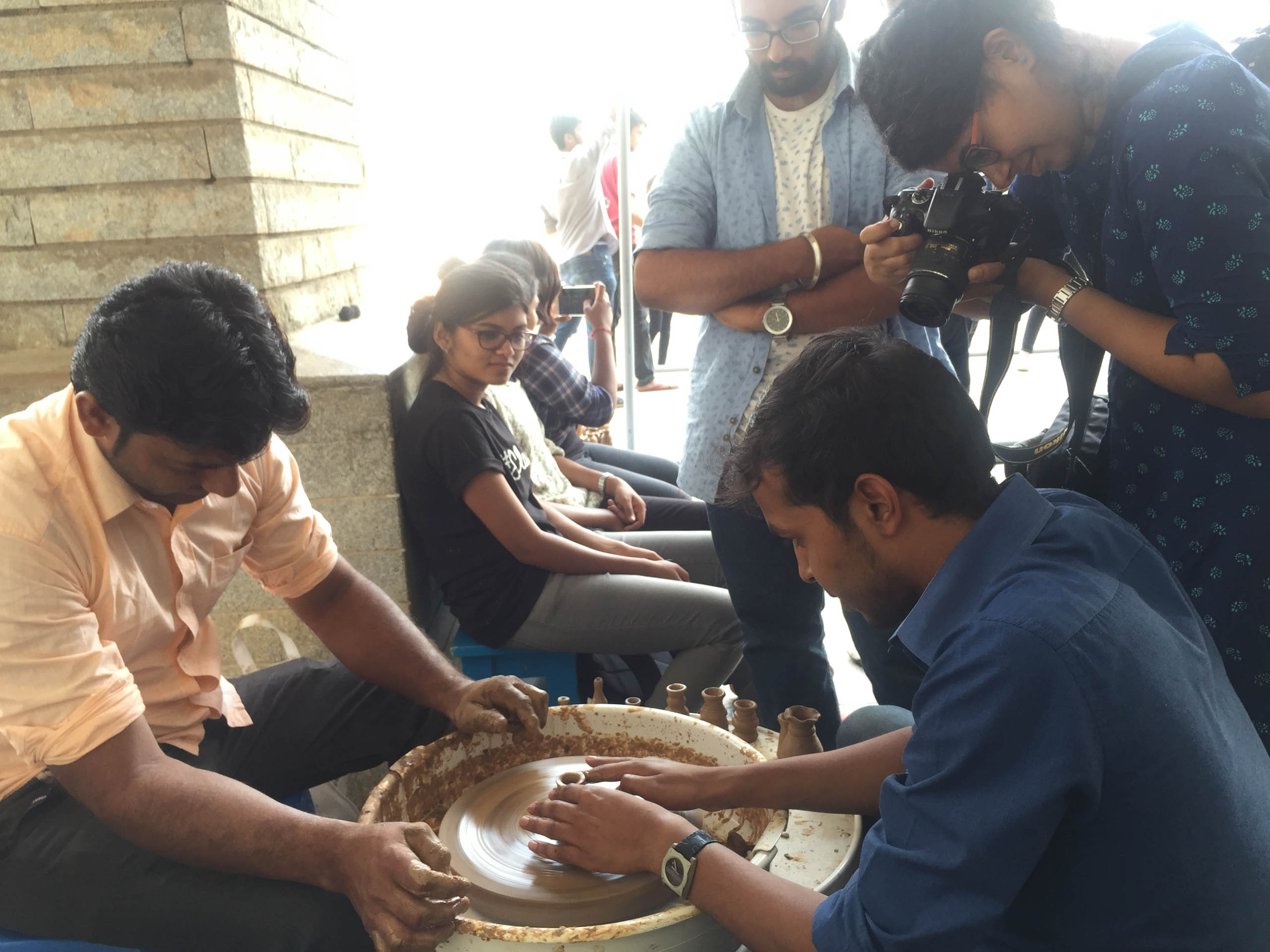
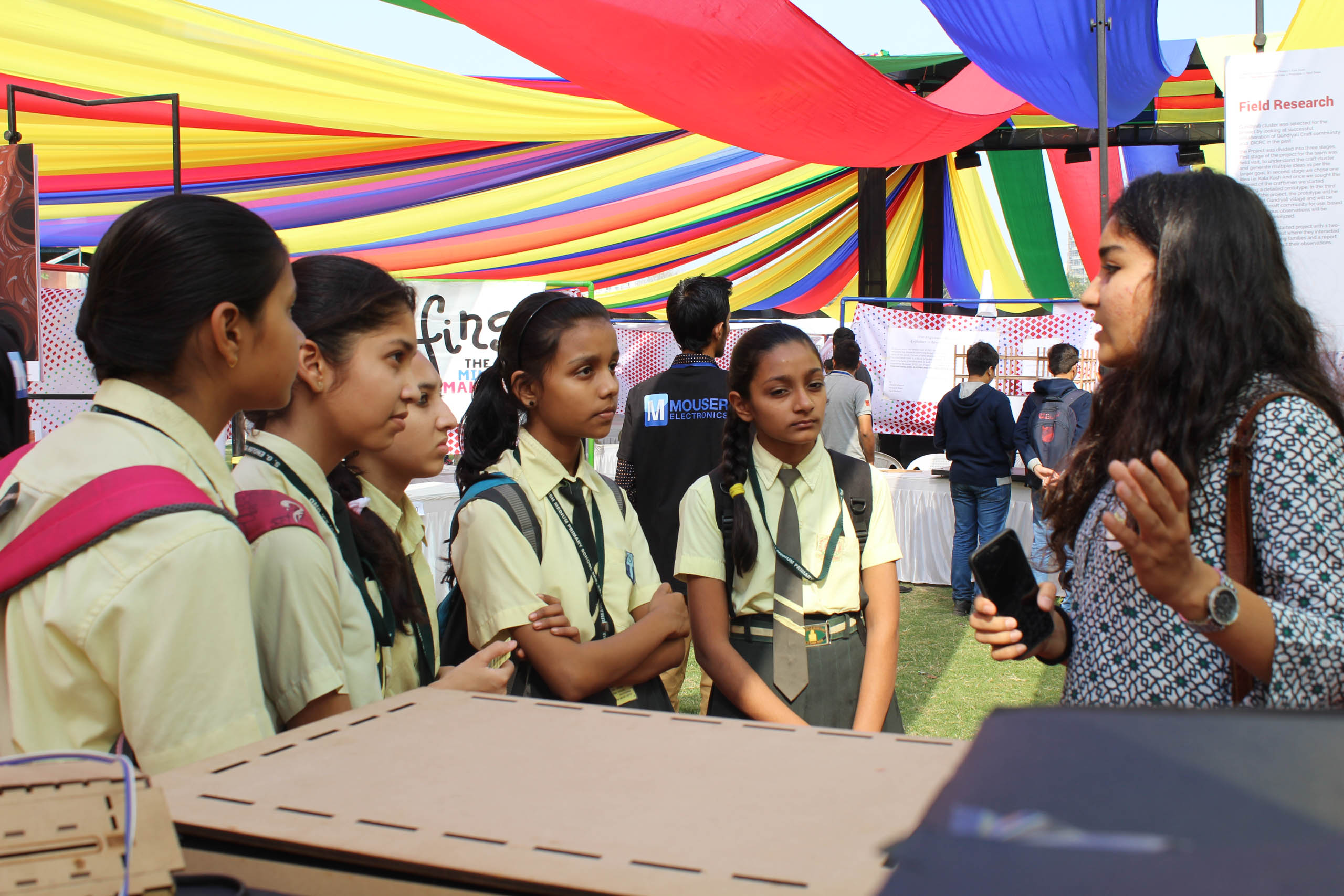
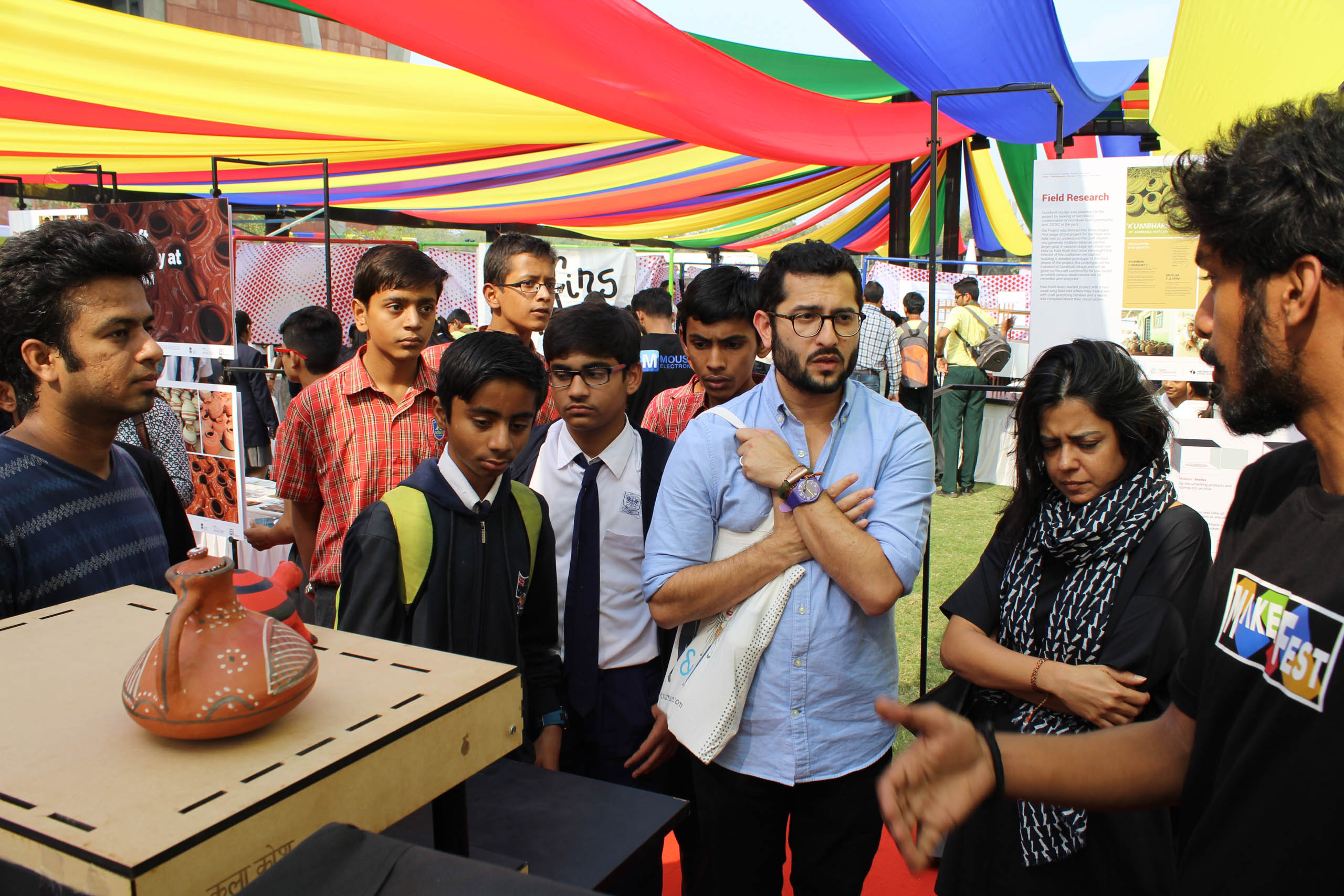
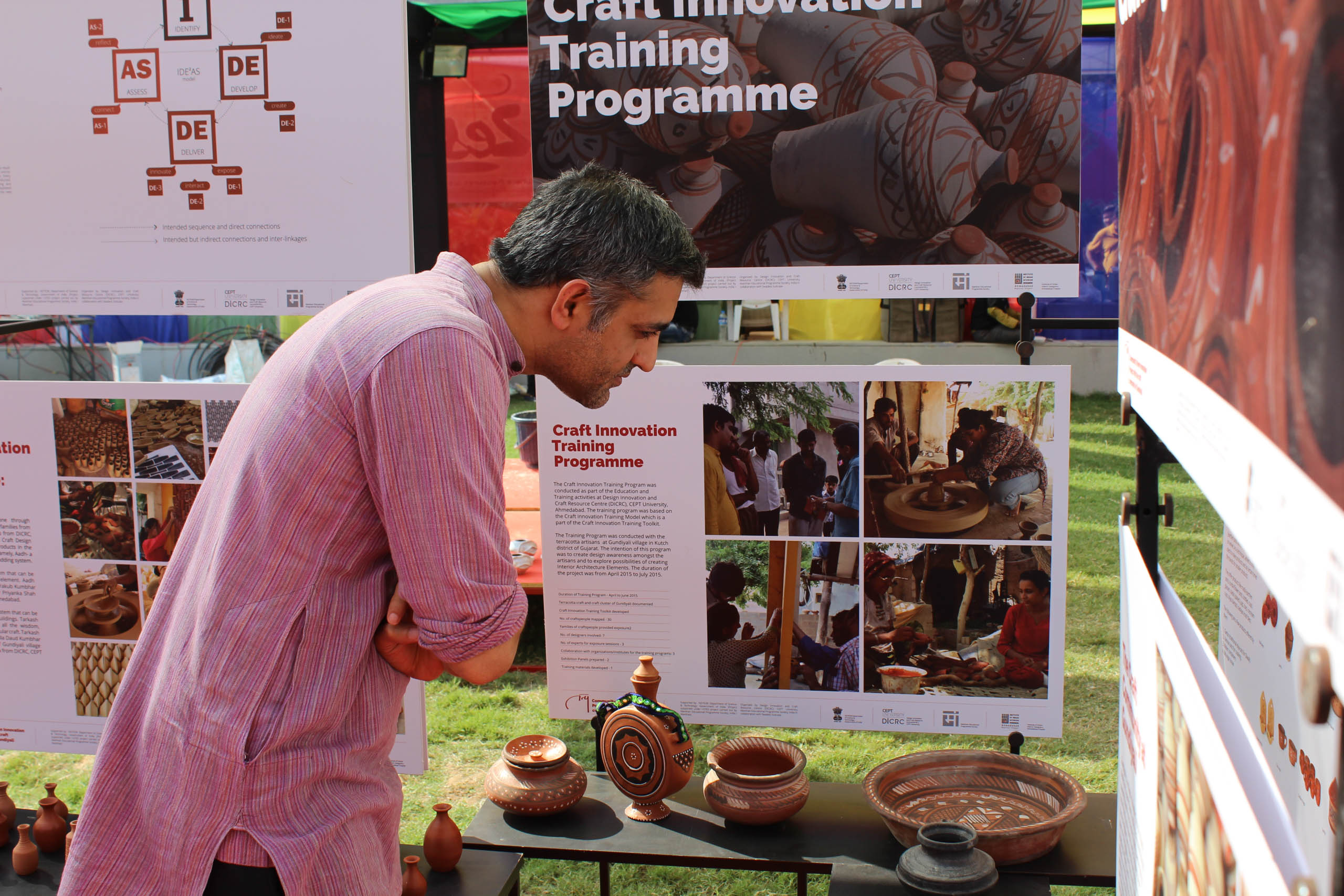
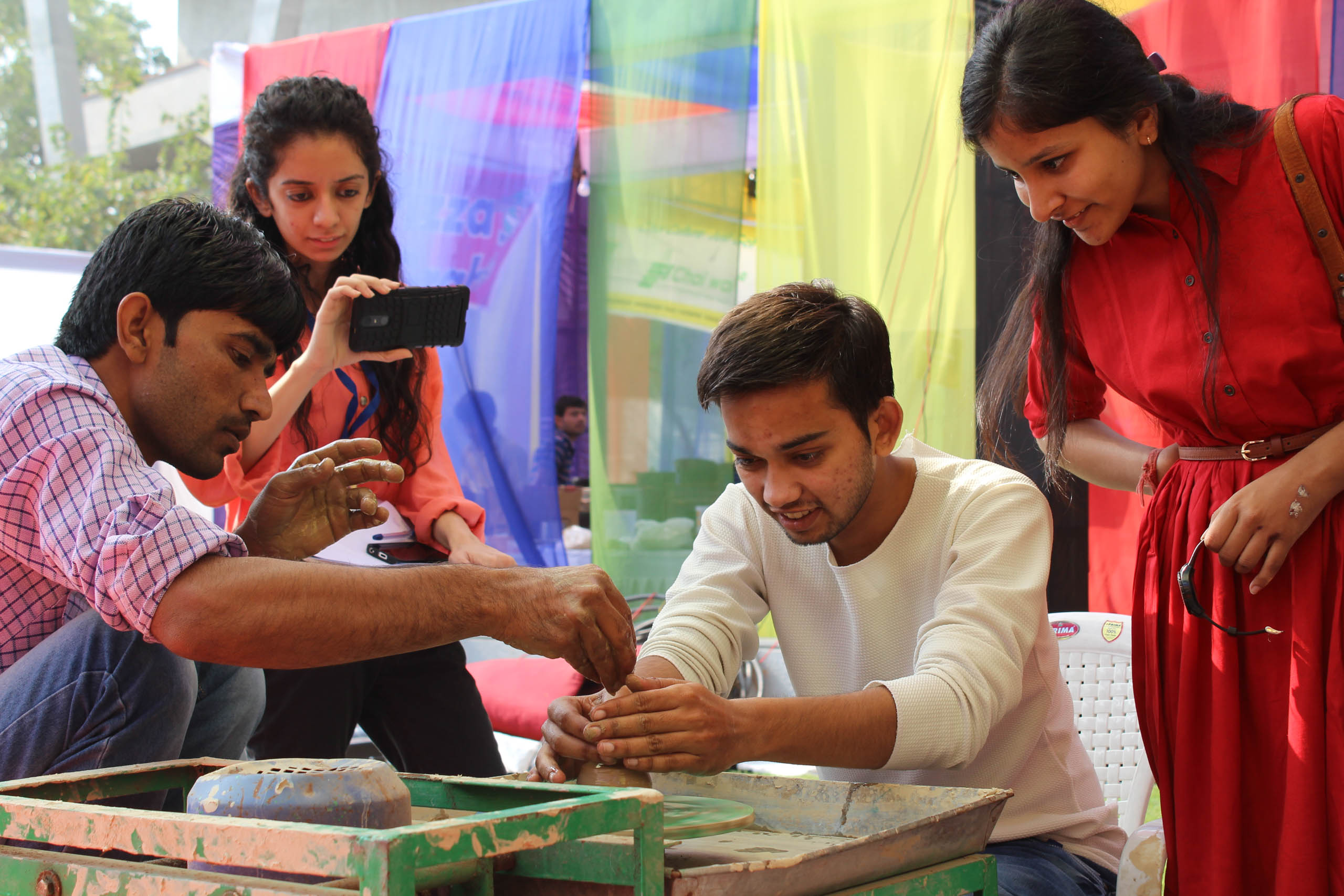
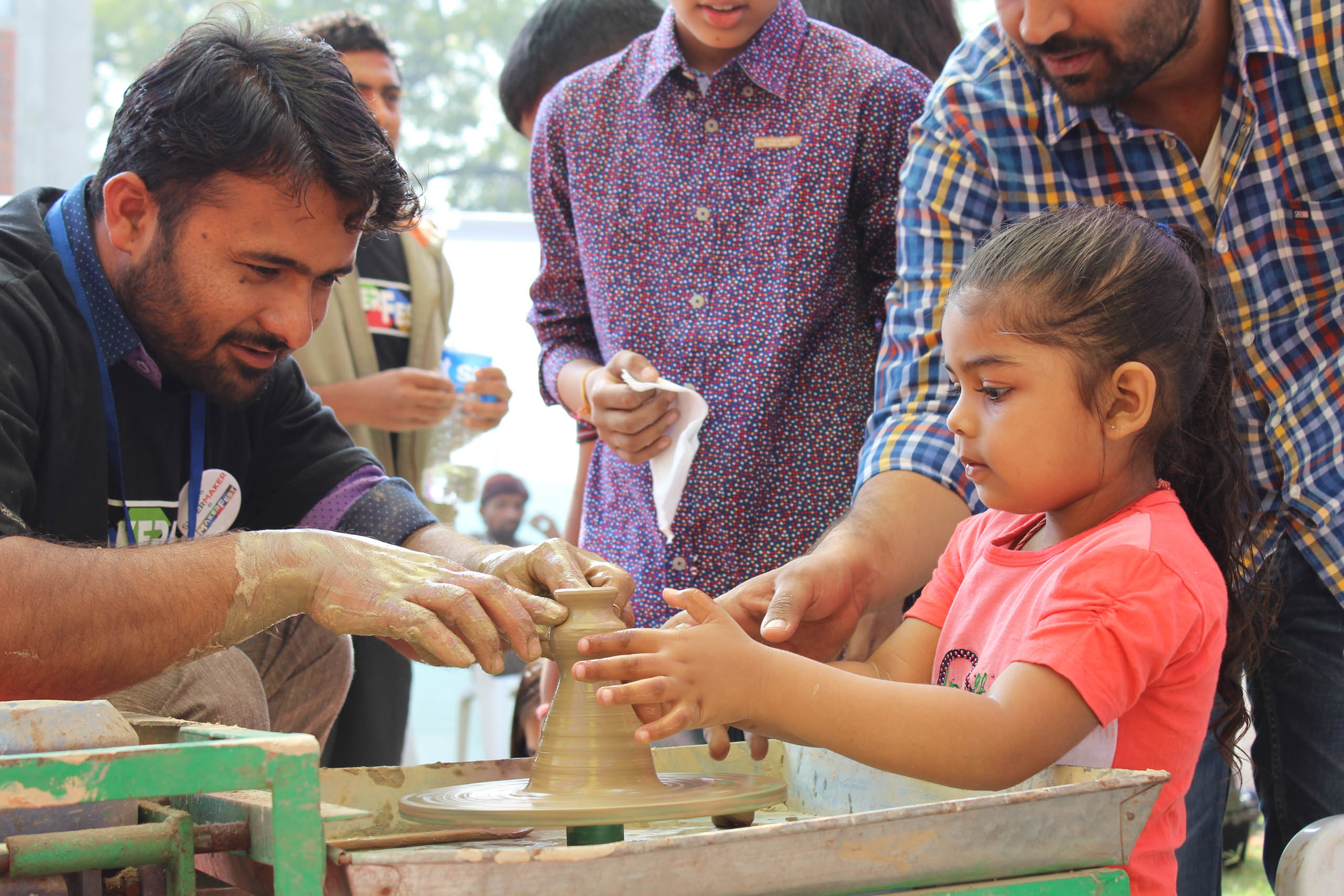
Stretching from every corner of India, Maker Fest is about developing a great maker community where people can learn and share about making. Creators, artists and hobbyists across the country were invited to present contemporary applications of their ideas in the vast ocean of art, science and technology to ideate, build and share. The community of Gundiyali as one entity came together to showcase their techniques and ideas – creating hands-on pottery explorations with the visitors. The fest was a 3 day event that brought together the making community of diverse fields.
With the guidance of the craftspeople, different kinds of pots of various sizes were made by the people themselves. The idea was to initiate interaction, sharing of ideas and to arrive at a final product. The craftspeople curated the exhibition, giving them a glimpse of an entire new set up. Essentially, with the help of a demonstration unit the interaction was elevated. 2 demonstration units were set up to cater to the multitude of people.
Event: Event X
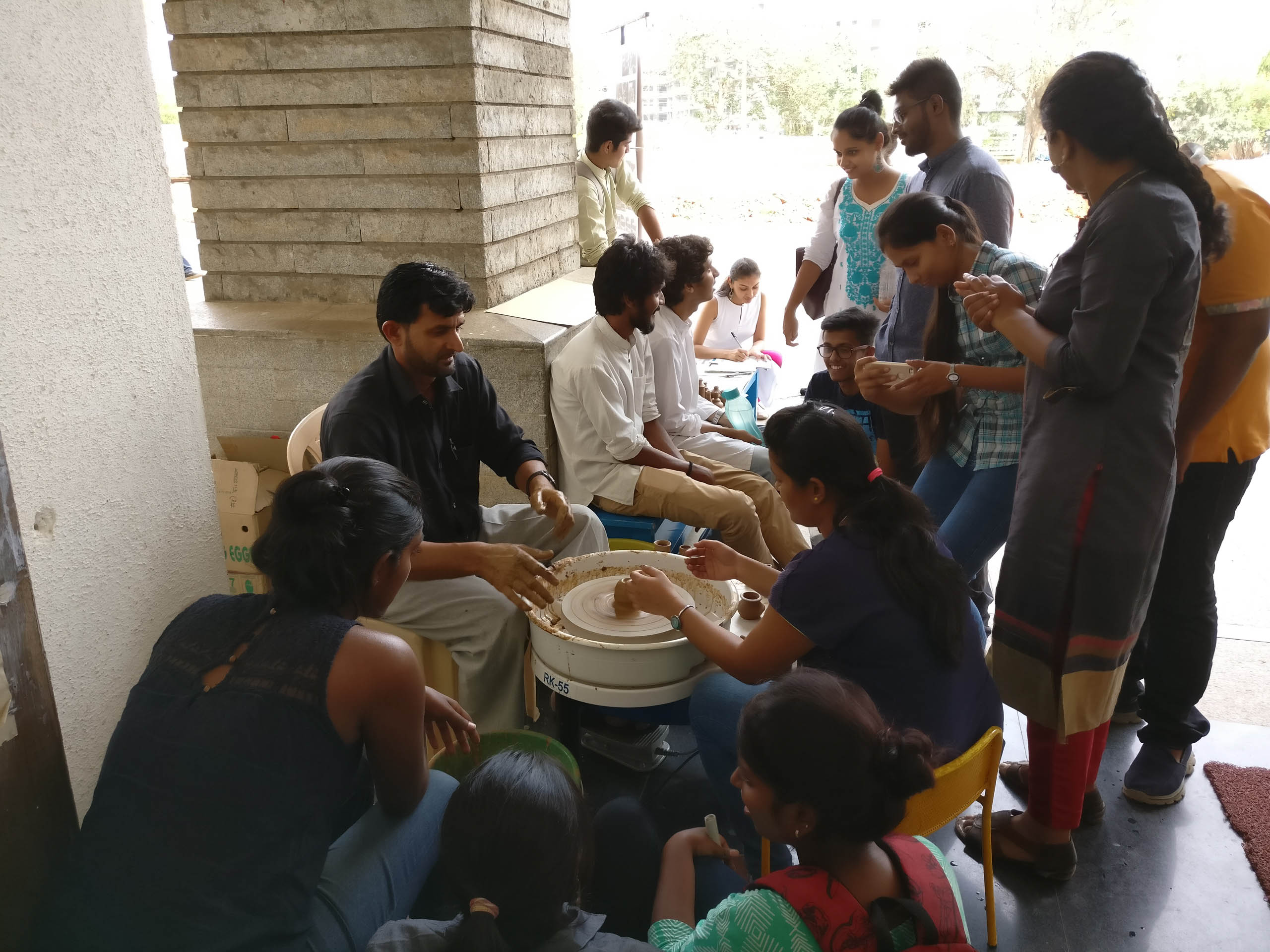
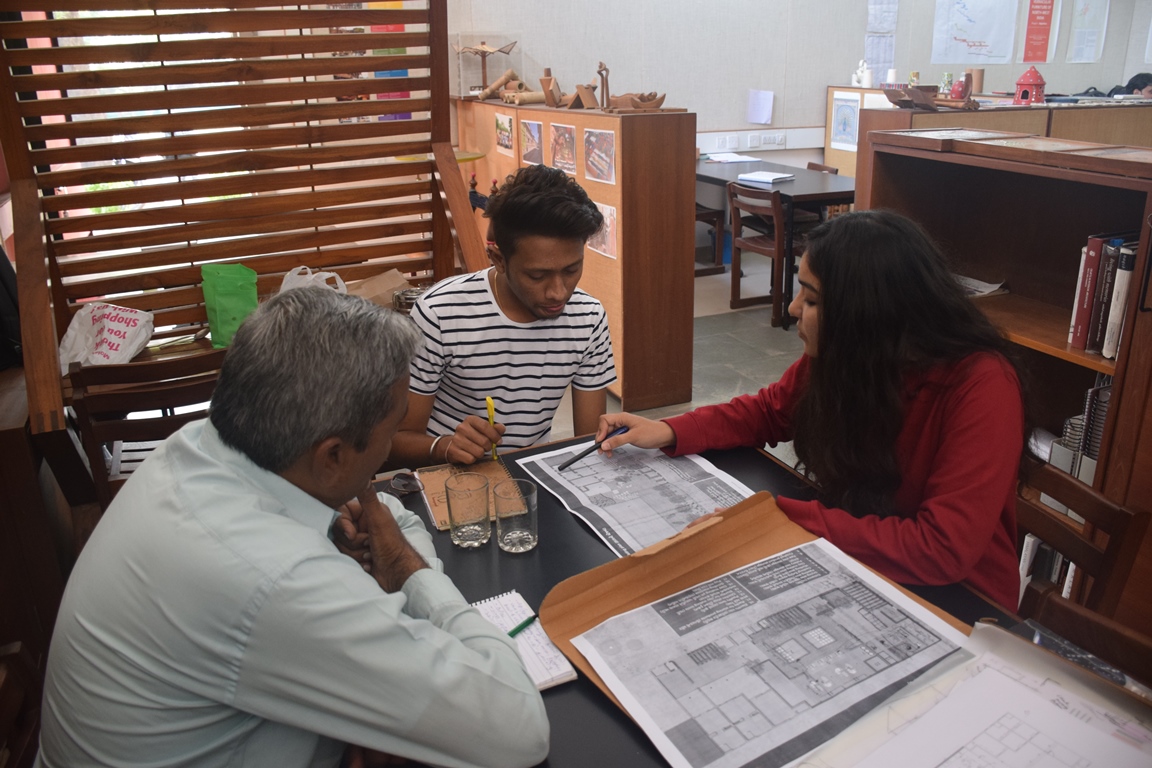
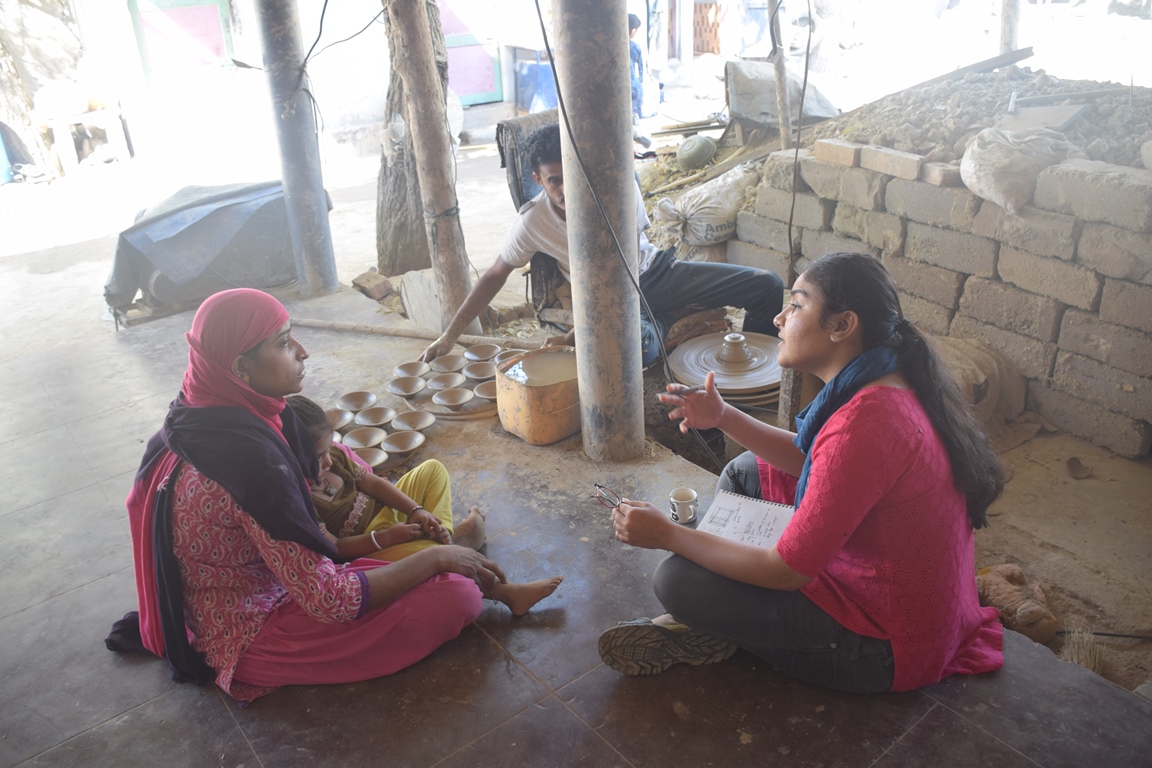
Three craftspeople from the terracotta craft community of Gundiyali were a part of Event X for the Makerspace, Unsung Heroes. Event X is a design festival initiated by Unbind which brings together perspectives from diverse realms of Design.The craftspeople engaged in a dialogue with architecture students about clay and hands-on pottery.
Booklets
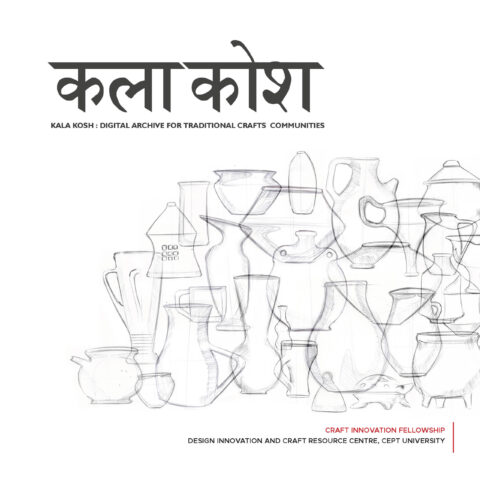
KalaKosh: Digital Archive for Traditional Craft Communities
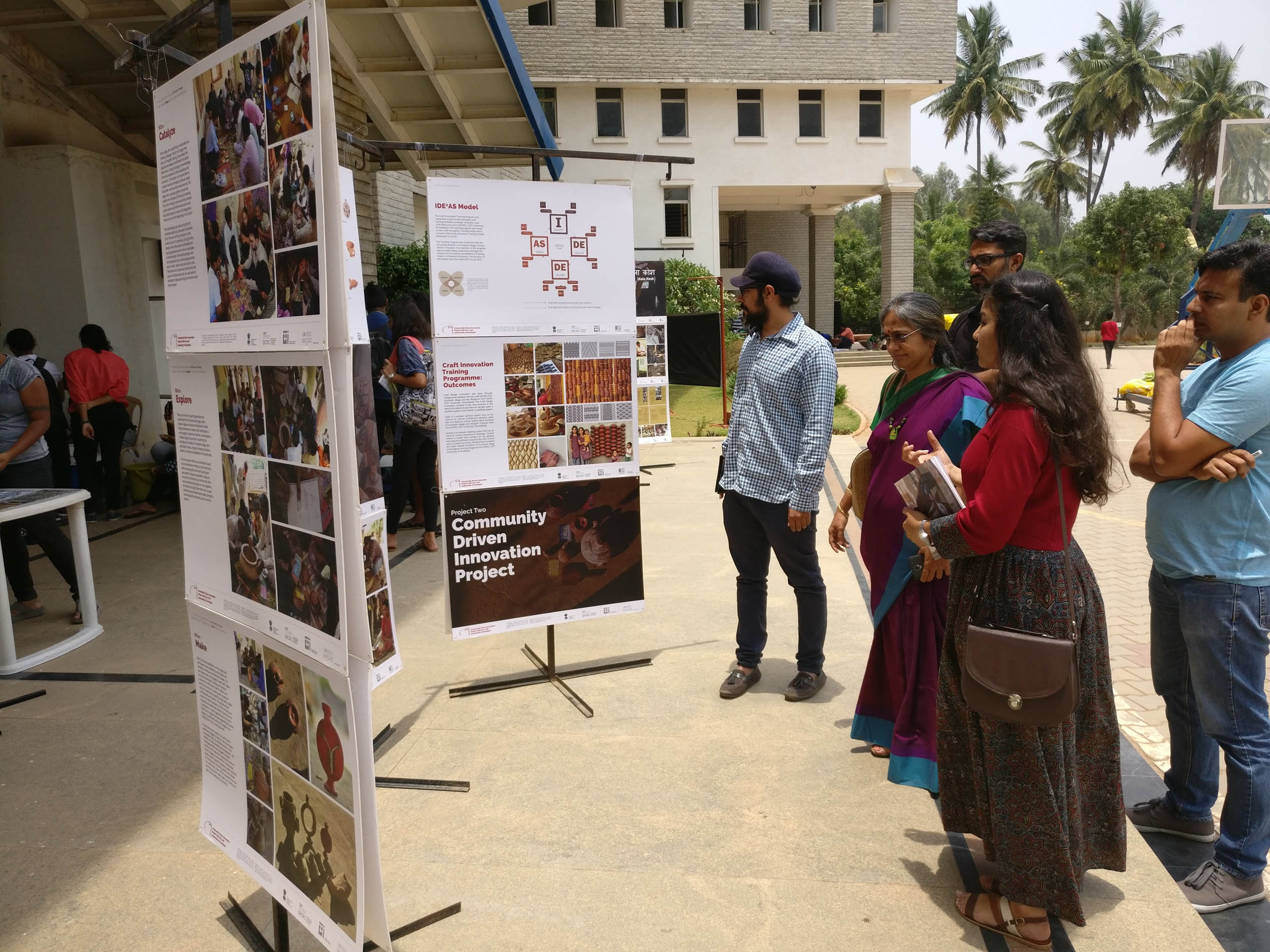
Panels
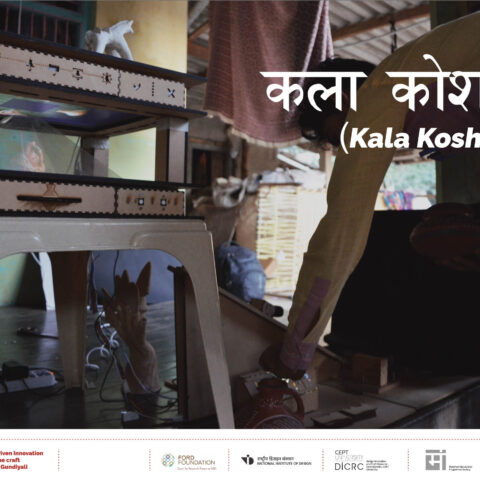
KalaKosh: Digital Archive for Traditional Craft Communities
Images
KalaKosh: Digital Archive for Traditional Craft Communities
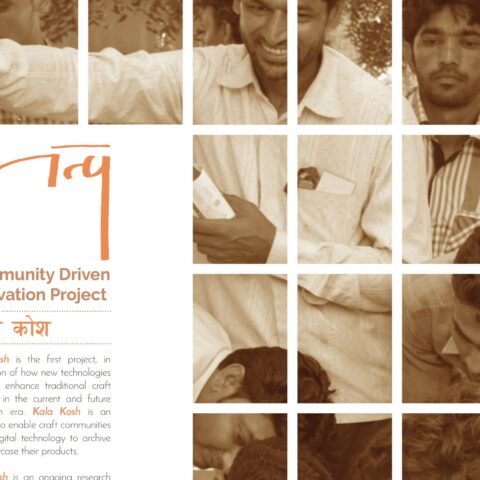
Data Bank
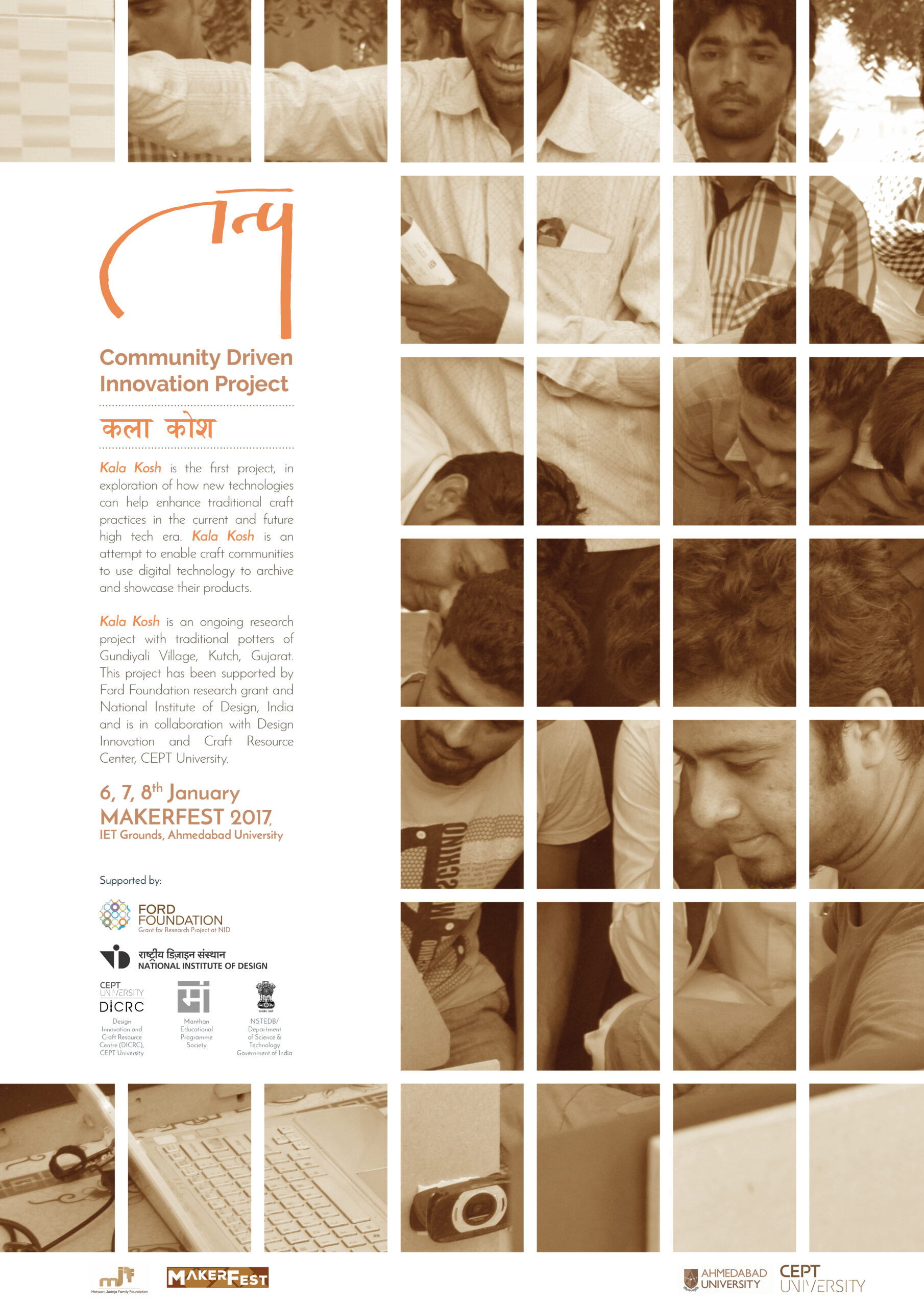
KalaKosh: Digital Archive for Traditional Craft Communities- Maker Fest Poster
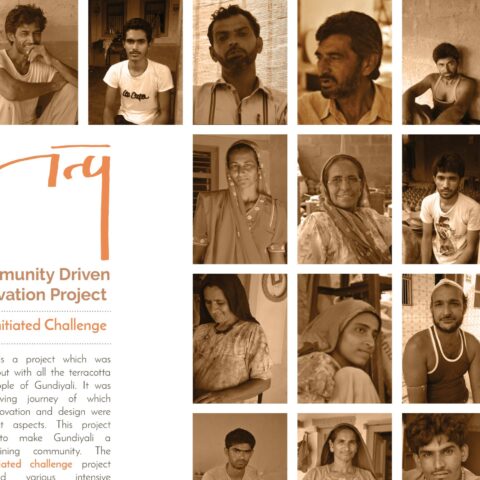
Data Bank
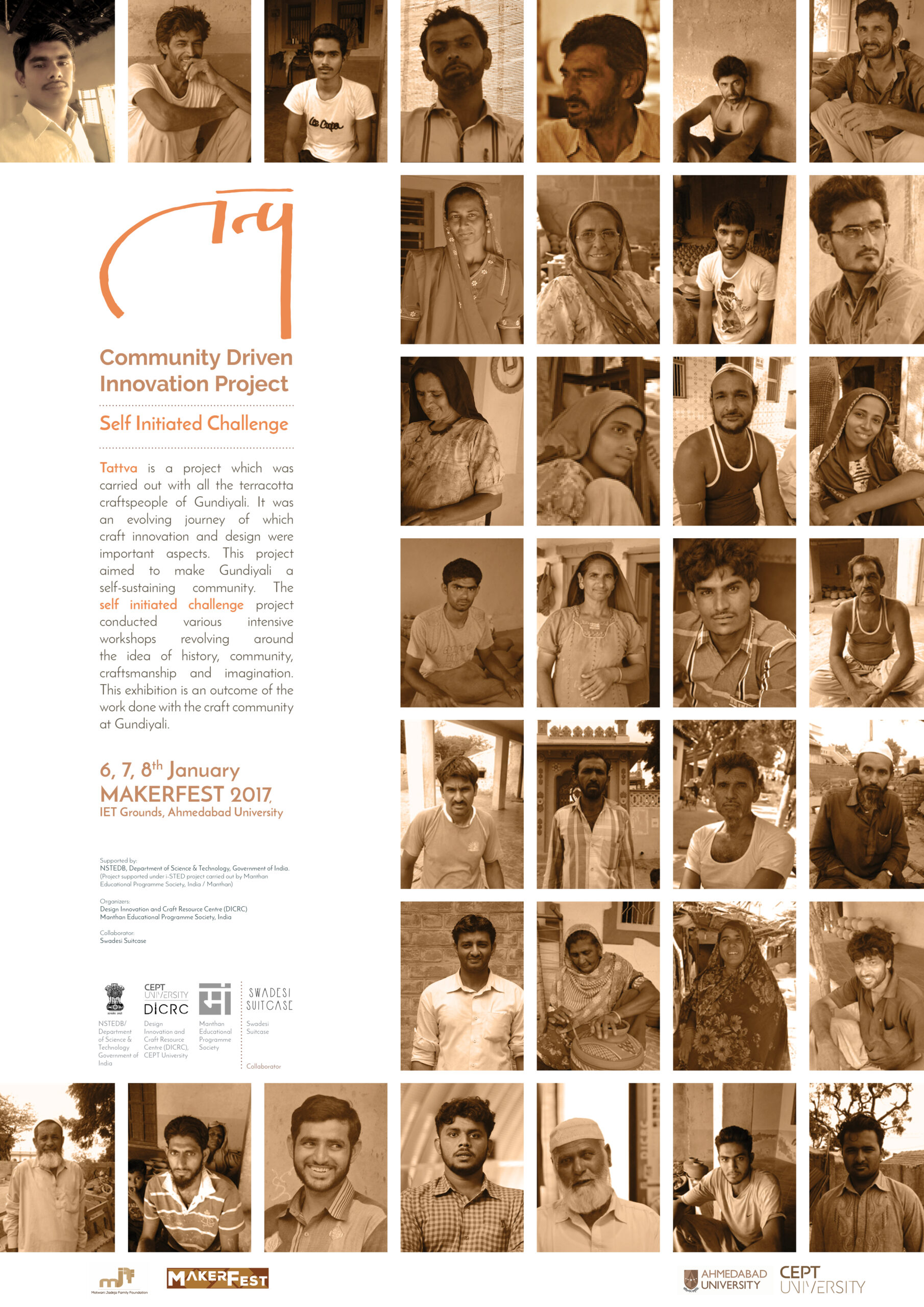
Tatva: Community driven Innovation Program- Maker Fest Poster
Collaborators
Organizers: Design Innovation and Craft Resource Centre (DICRC), CEPT University, Ahmedabad
Supporters: Manthan Educational Programme Society (MEPS), NSTEDB/Department of Science & Technology,Government of India
Sponsors: Ford Foundation, National Institute of Design, India
About 2017: Reconfiguring Habitat
“Reconfiguring habitat” assessed the existing infrastructure of the cluster’s built environment and suggested possible expansion and evolvement plans. This was an inclusive participatory process where the craft community co-created with design experts and identified the key physical resources to strategize a plan of action. Based on the initial mapping and assessment of the existing infrastructure available with the community, the stage ended with suggestive measures and plans for expansion.
Project: Spatial reconfiguration of workspaces
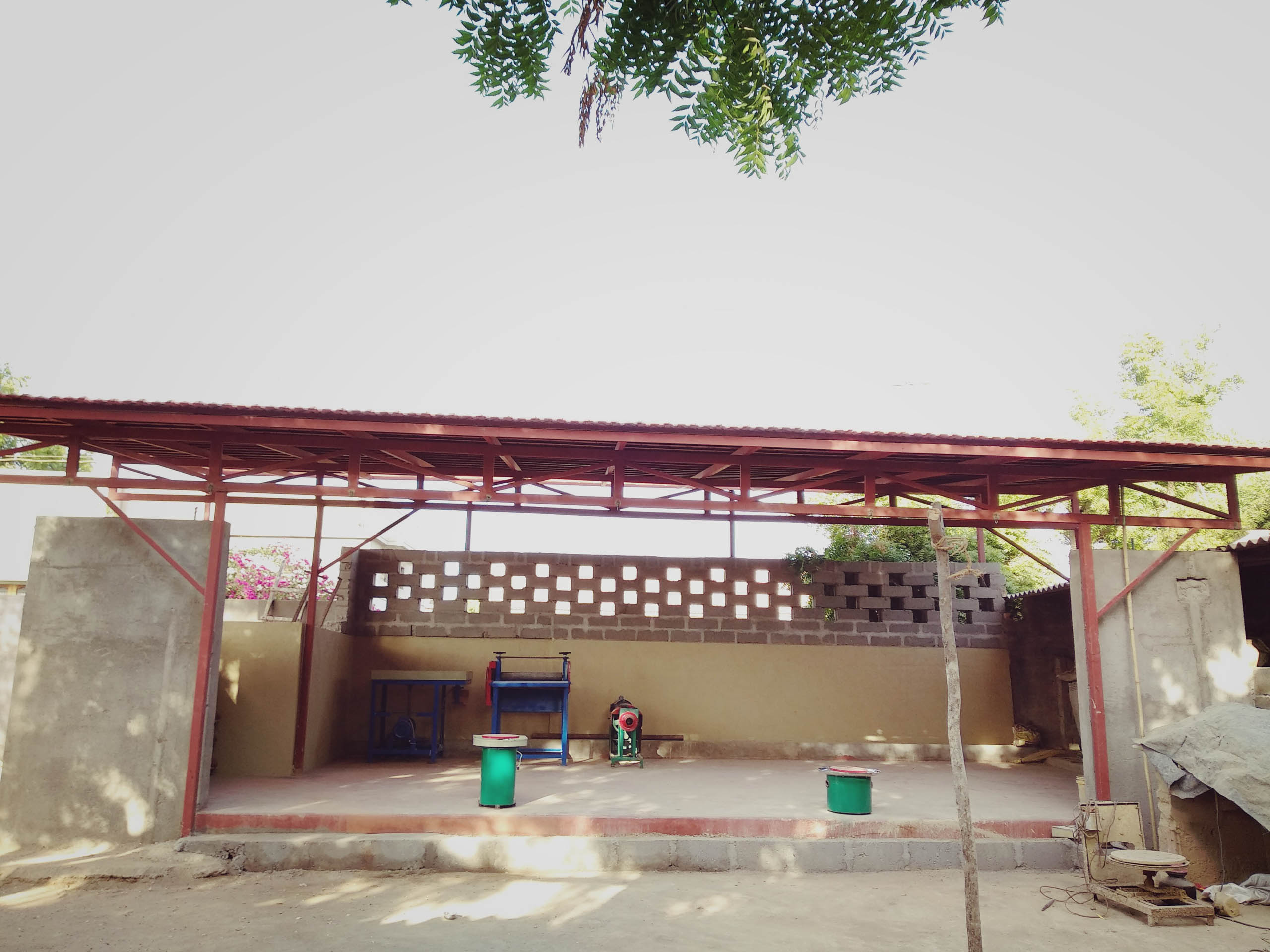
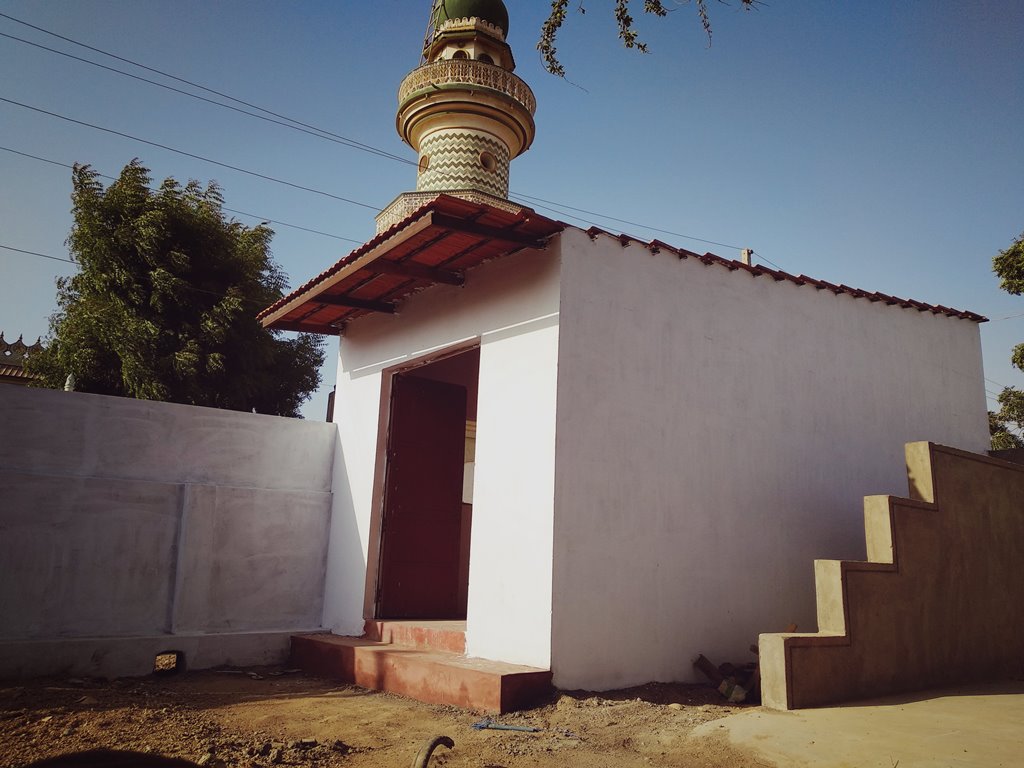
Spatial reconfiguration of the craft spaces was ideated to enhance the craft spaces and activities by facilitating better infrastructure to increase spatial efficiency. The activity started with an overarching frame to develop the village as Village Maker Space to add value at the macro and the micro level with various supportive activities in the identified pockets in the village. This was also done with consideration that it would further aid in inviting tourism and connecting craftspeople to the visitors.
Stages of implementation:
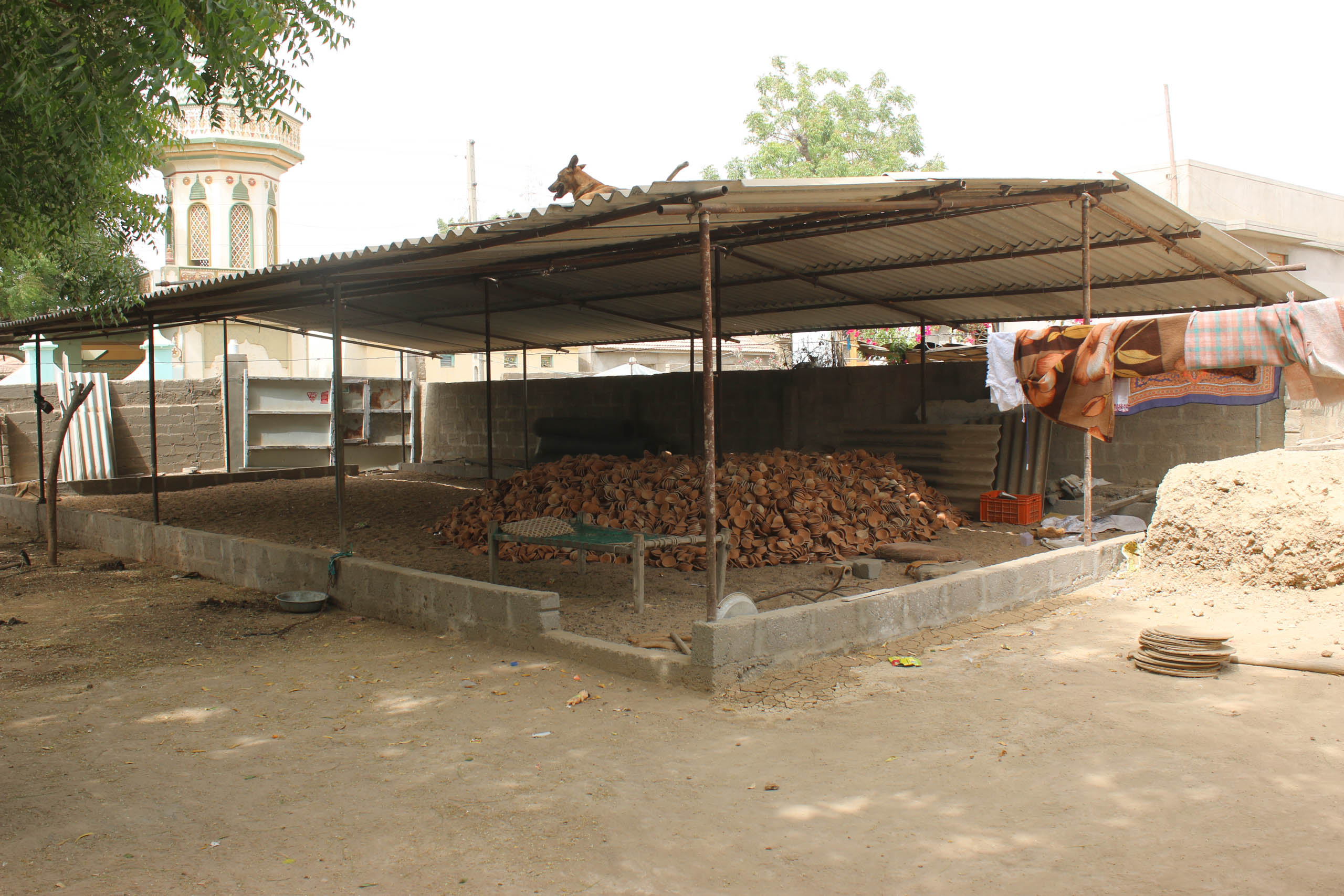
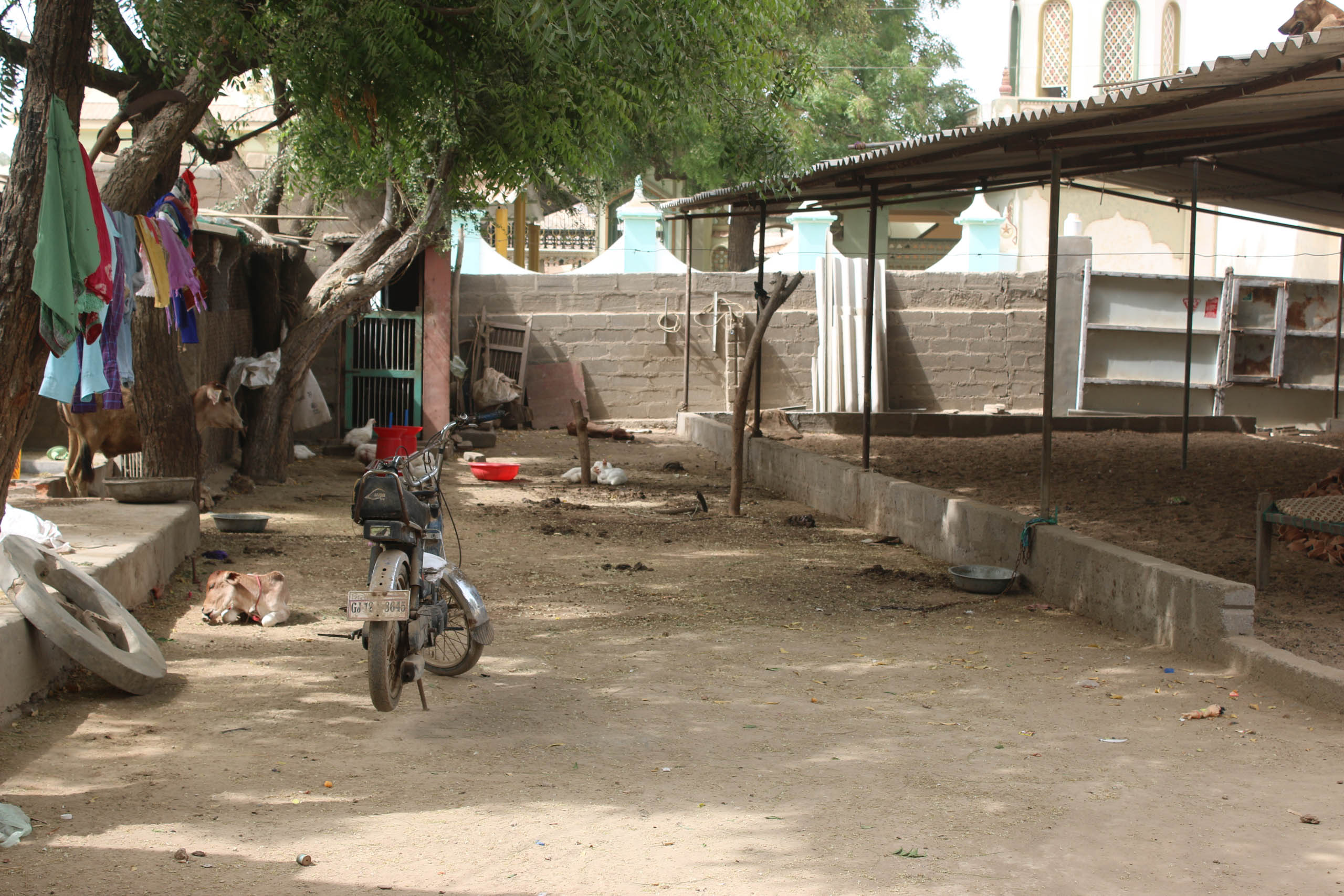
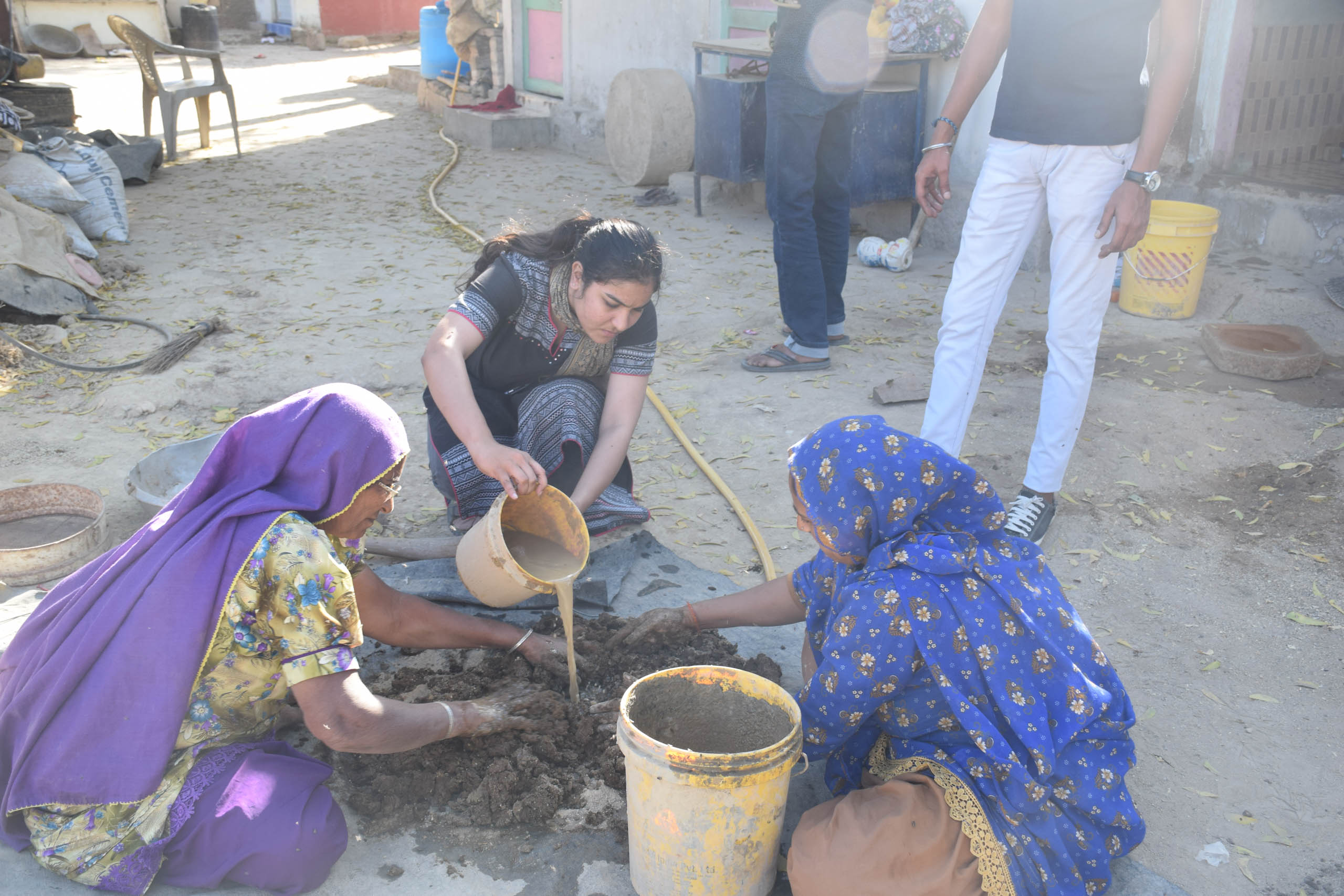
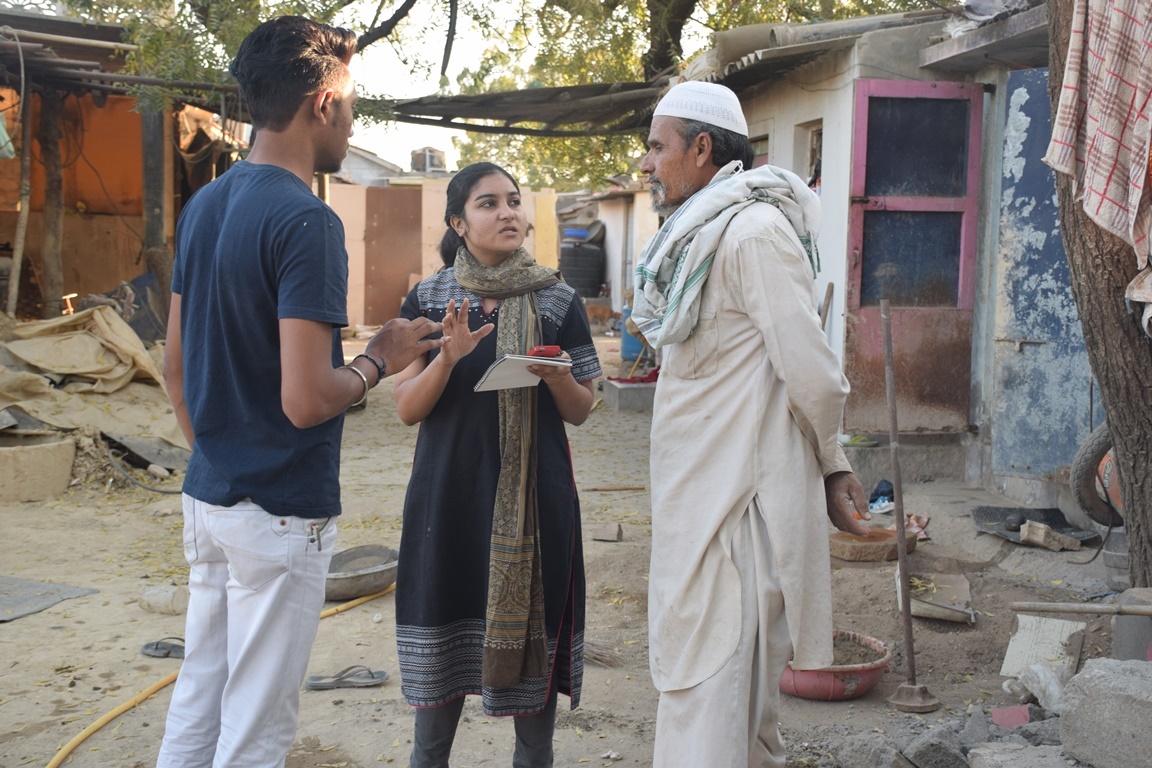
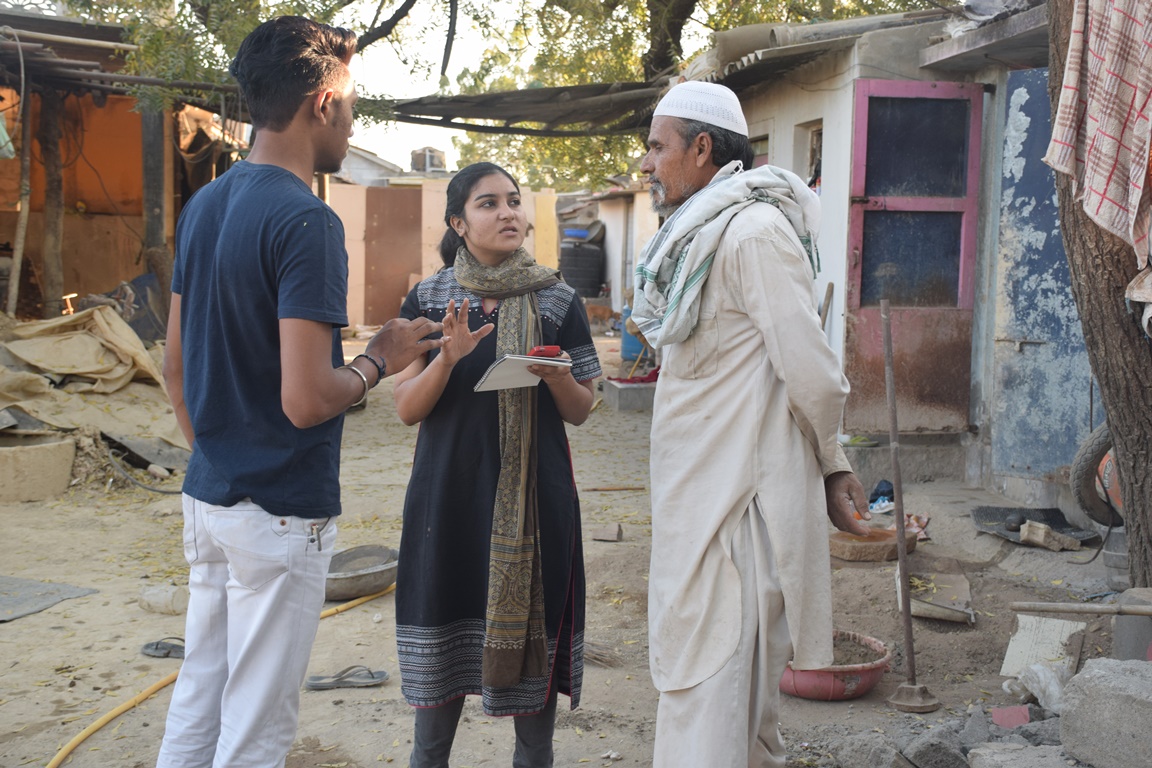
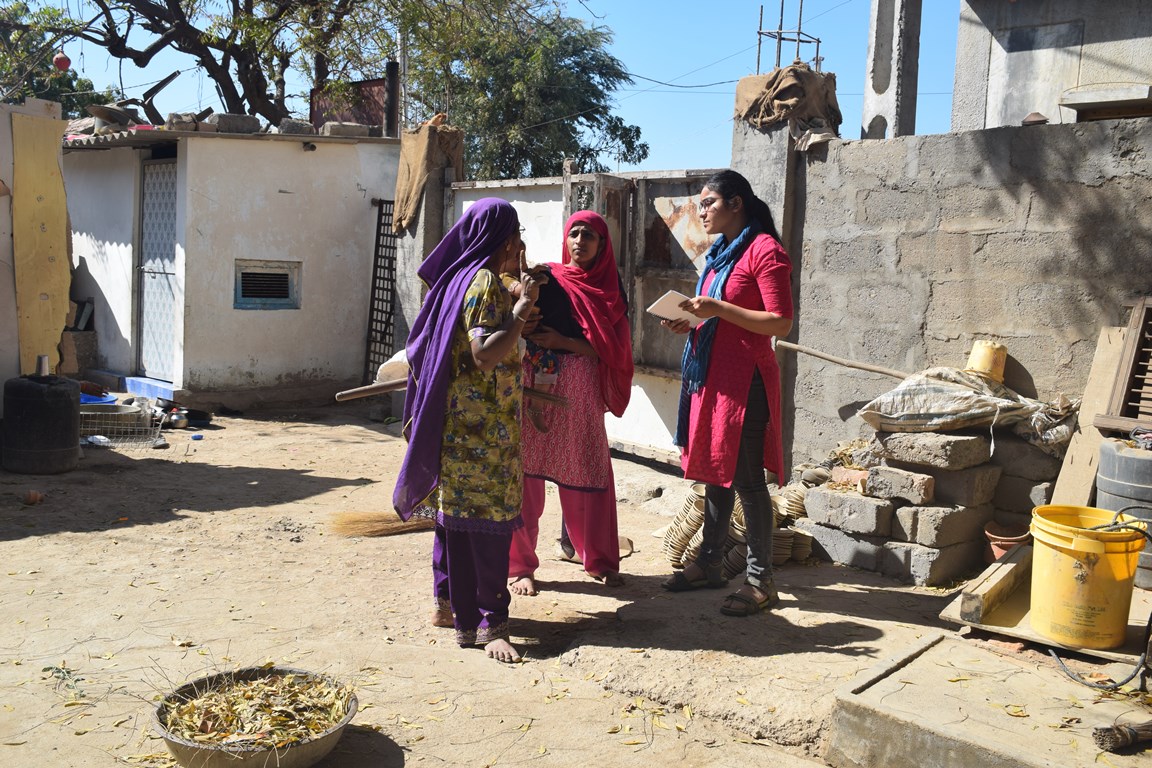
- Field work: The field research for spatial re-configuration involved extensive mapping and intricate contextual understanding of the communities’ craft practices. A detailed mapping was conducted through a visual based mapping application form using ODK Platform developed at DICRC. The mapping produced comprehensive information which consisted of craft process images, craftspeople data, tools and techniques, final product details etc. A detailed architectural mapping of spaces was done. The spatial organisation, sequence of spaces and their relation to craft activities, nature of spaces, activity mapping of the people using the space, relationship of craft activities with time, etc. was majorly looked upon. The participatory spatial mapping allowed open discussions with the community members regarding the use of spaces, the person using the space.
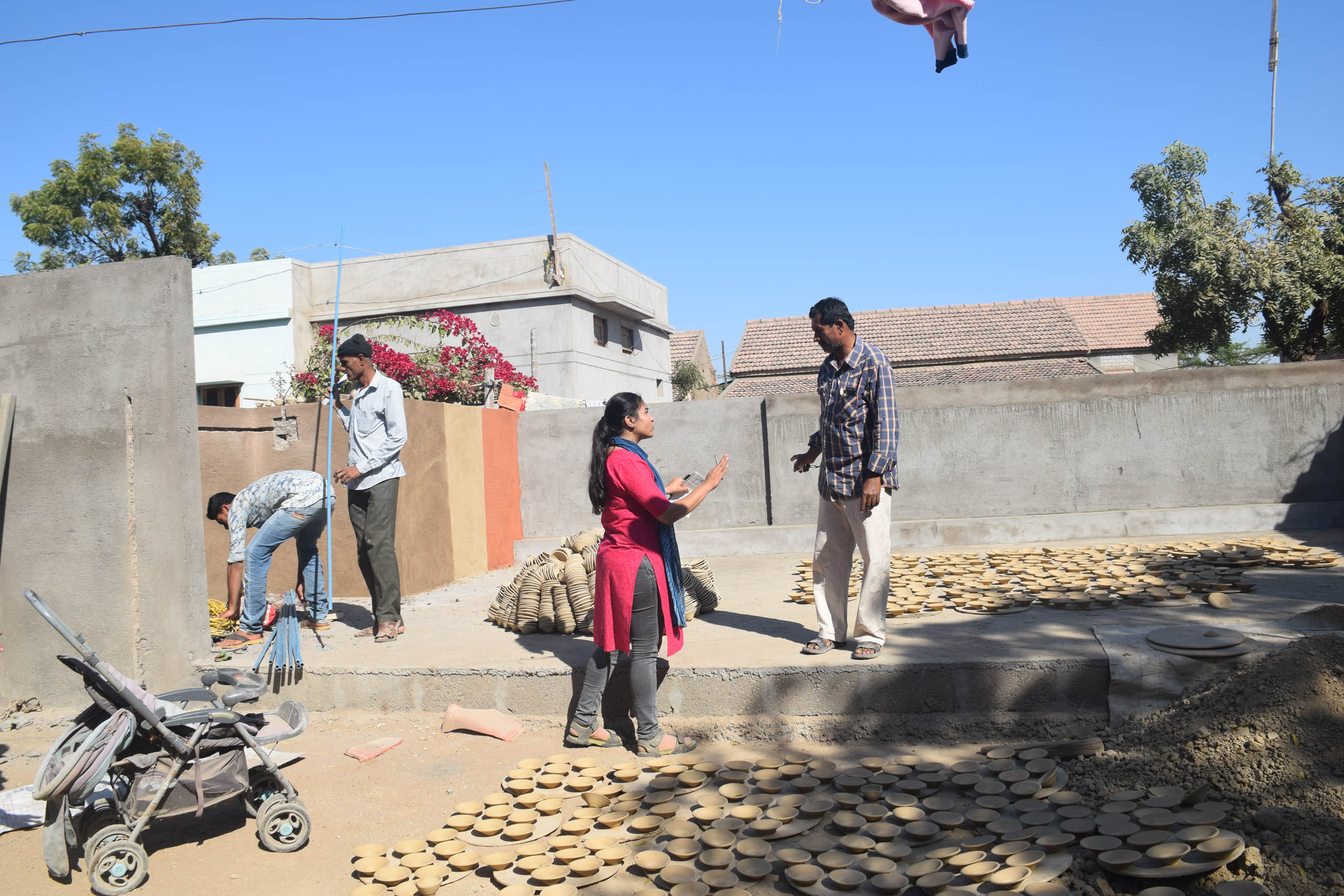
- Ideation: The proposed strategies are centered around the viability of the craft tourist activities and its long term socio-cultural and economic impacts. A detailed strategy is developed encompassing various activities (and its intentions and impacts), sustainable business and revenue model, marketing and promotions and collaborative funding plan. Yakkub Kumbhar’s house was chosen for reconfiguration of space. The spatial arrangement in Yakub bhai’s house was linear in nature. But the activities happening in the spaces make it organic. The craft activities happen parallel to the domestic activities. Hence, domestic space like the otla (the front platform at the entrance) was used to dry products, paint products, and stack the products. As the participation of men and women is equal in the craft process, the activities in his house were largely around the domestic spaces.
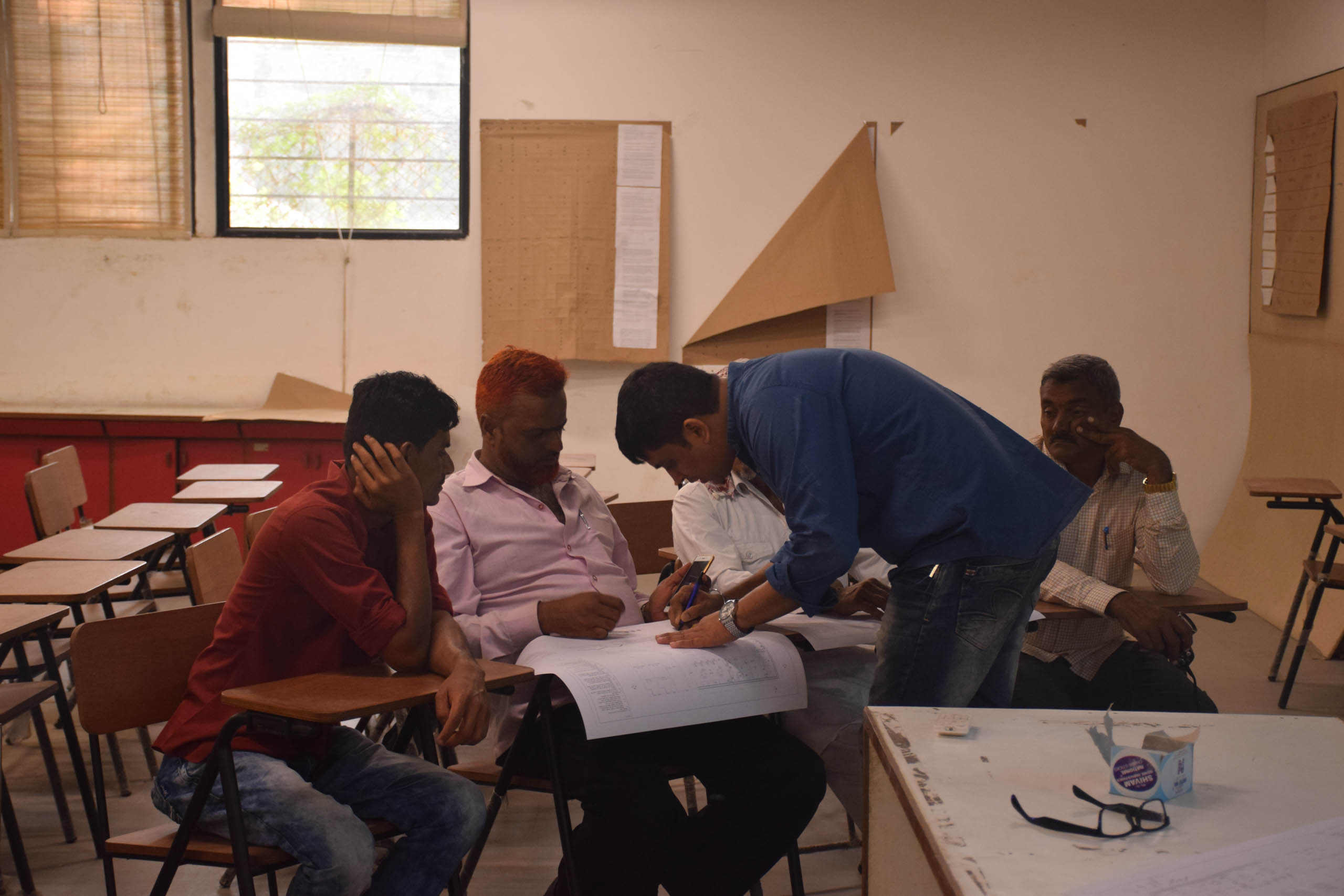
- Discussions with family: The strategies are developed in consultation with the key stakeholders of the community. The community’s involvement was an essential part of the inclusive – participatory approach of spatial reconfiguration. The teams from DICRC, CEPT University and Manthan Education Program Society were involved from planning to execution, where crucial inputs were constantly taken from Yakub Kumbhar’s family to work on the design intricacies.
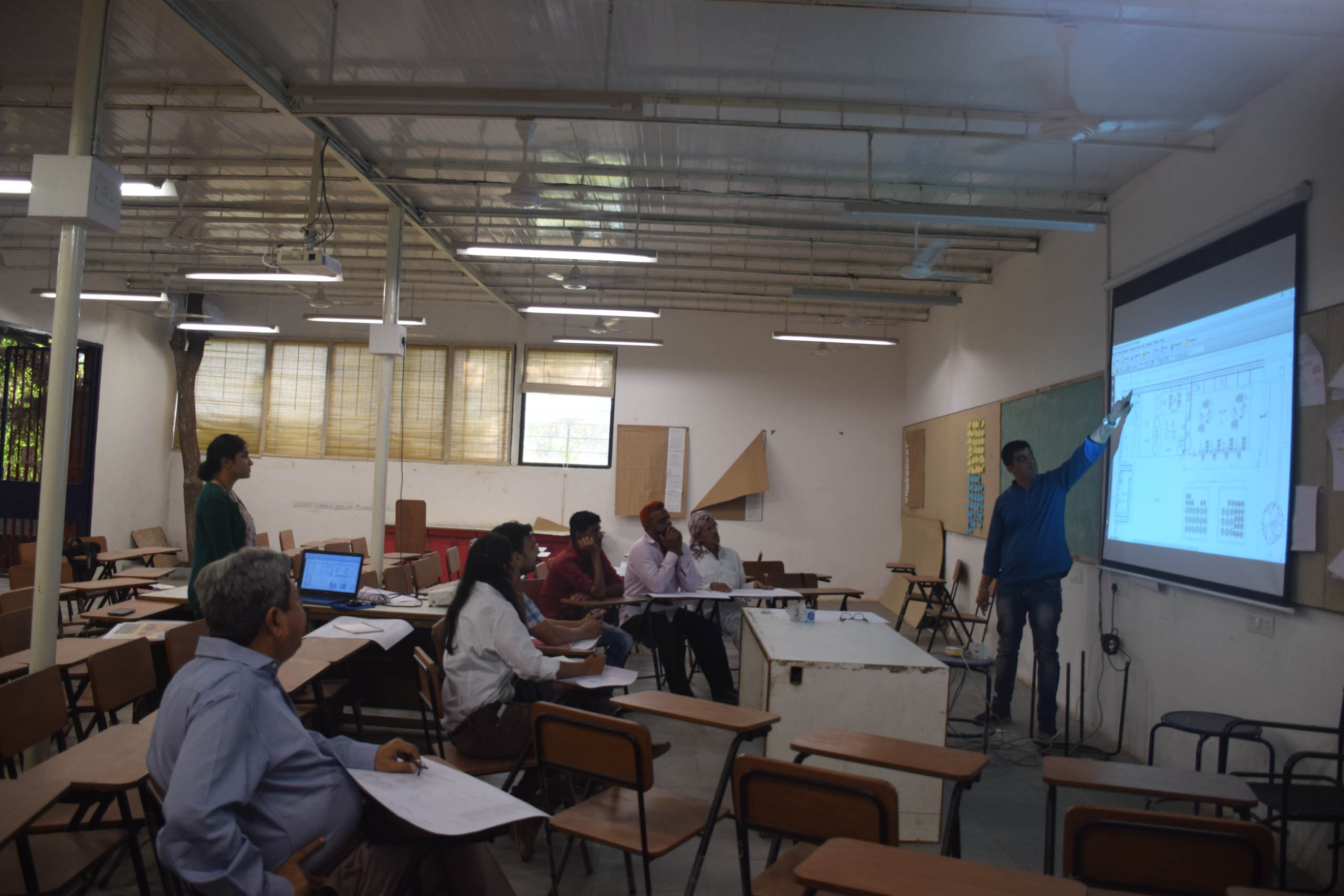
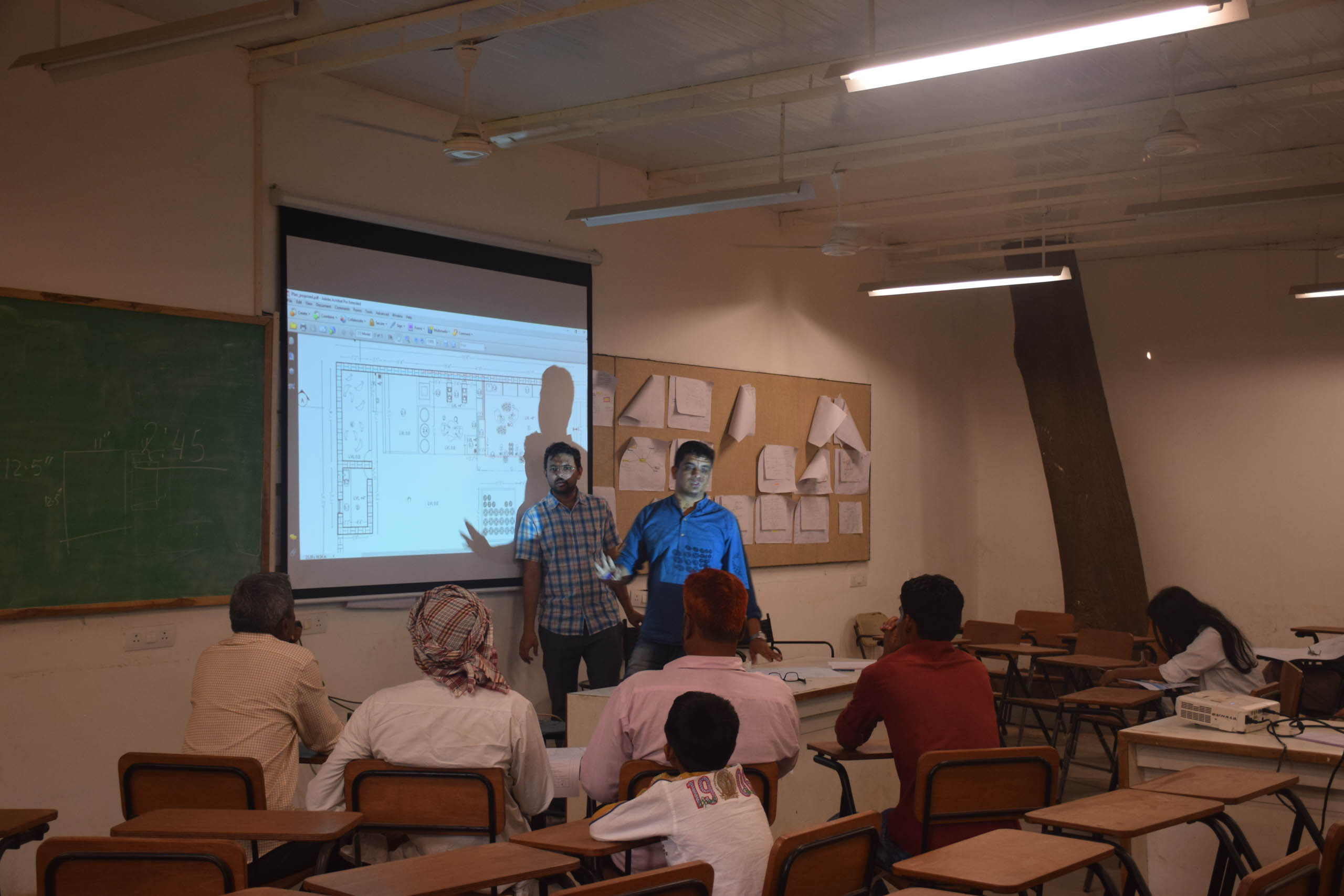
- Discussion with the contractor: After the inputs given by Yakub bhai and his family on the final design, the necessary changes were made and a meeting was arranged with the Contractor at CEPT University, Ahmedabad. In the meeting, technical aspects like the construction costing, the plumbing lines, electric points were discussed.
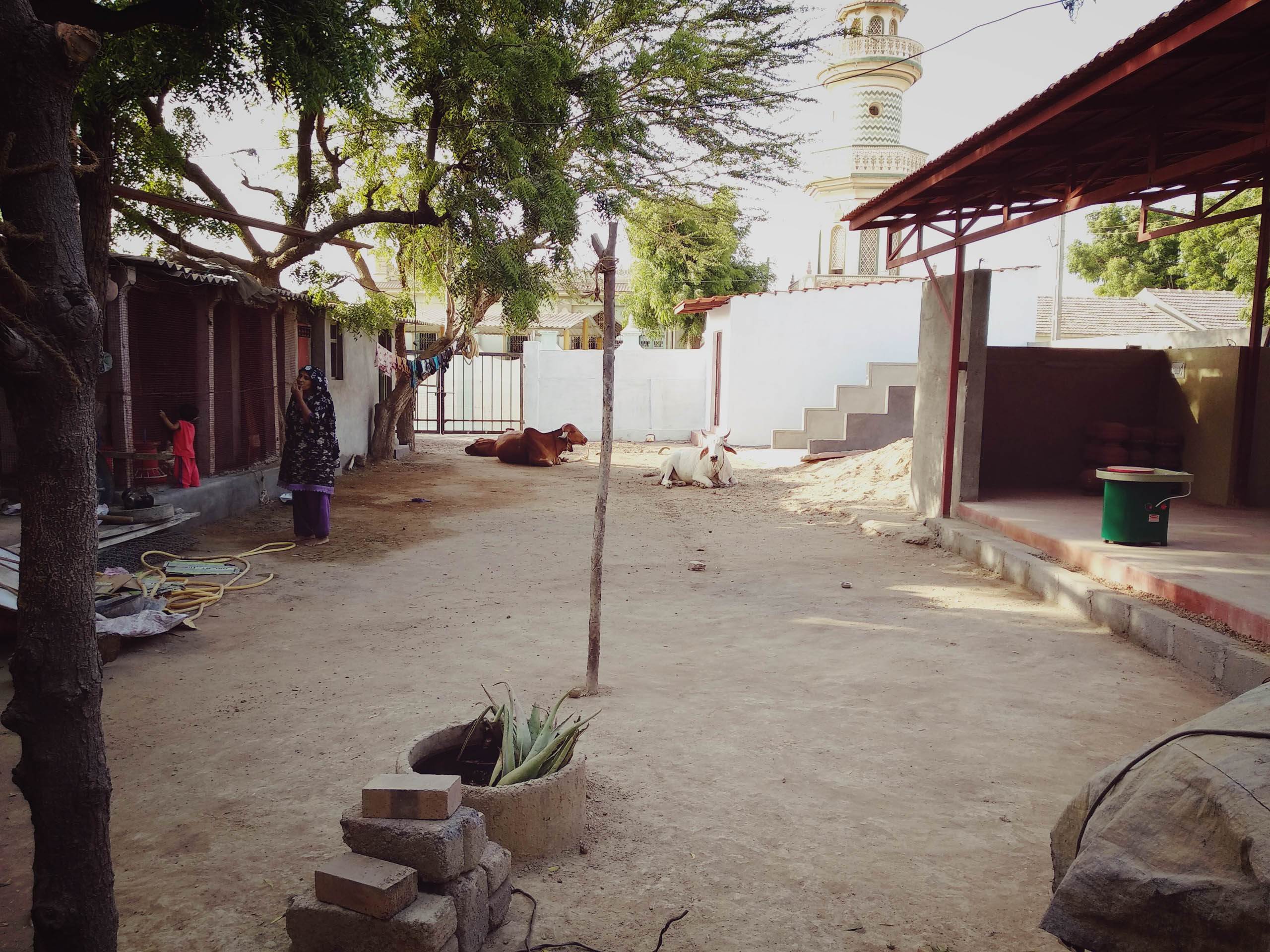
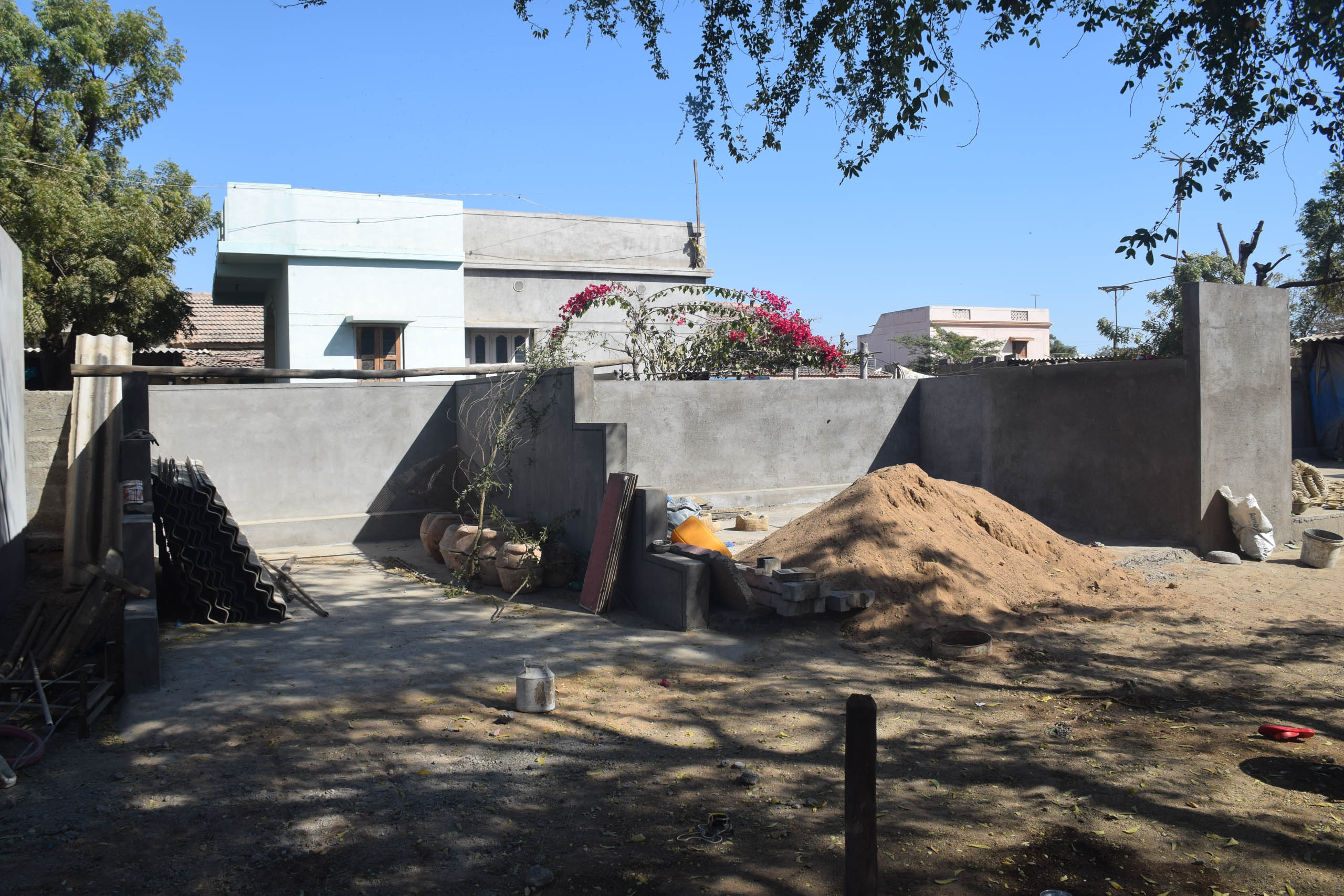
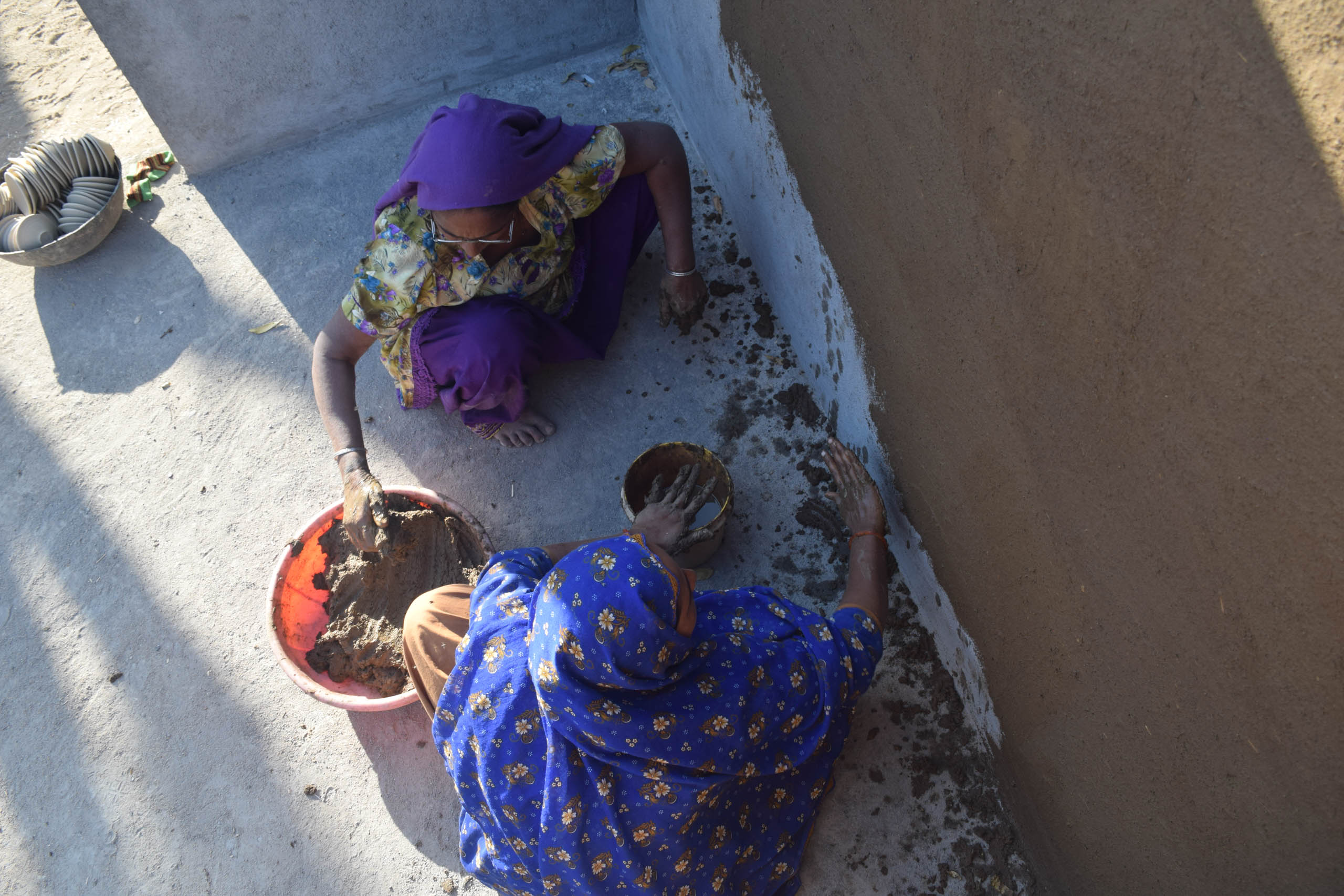
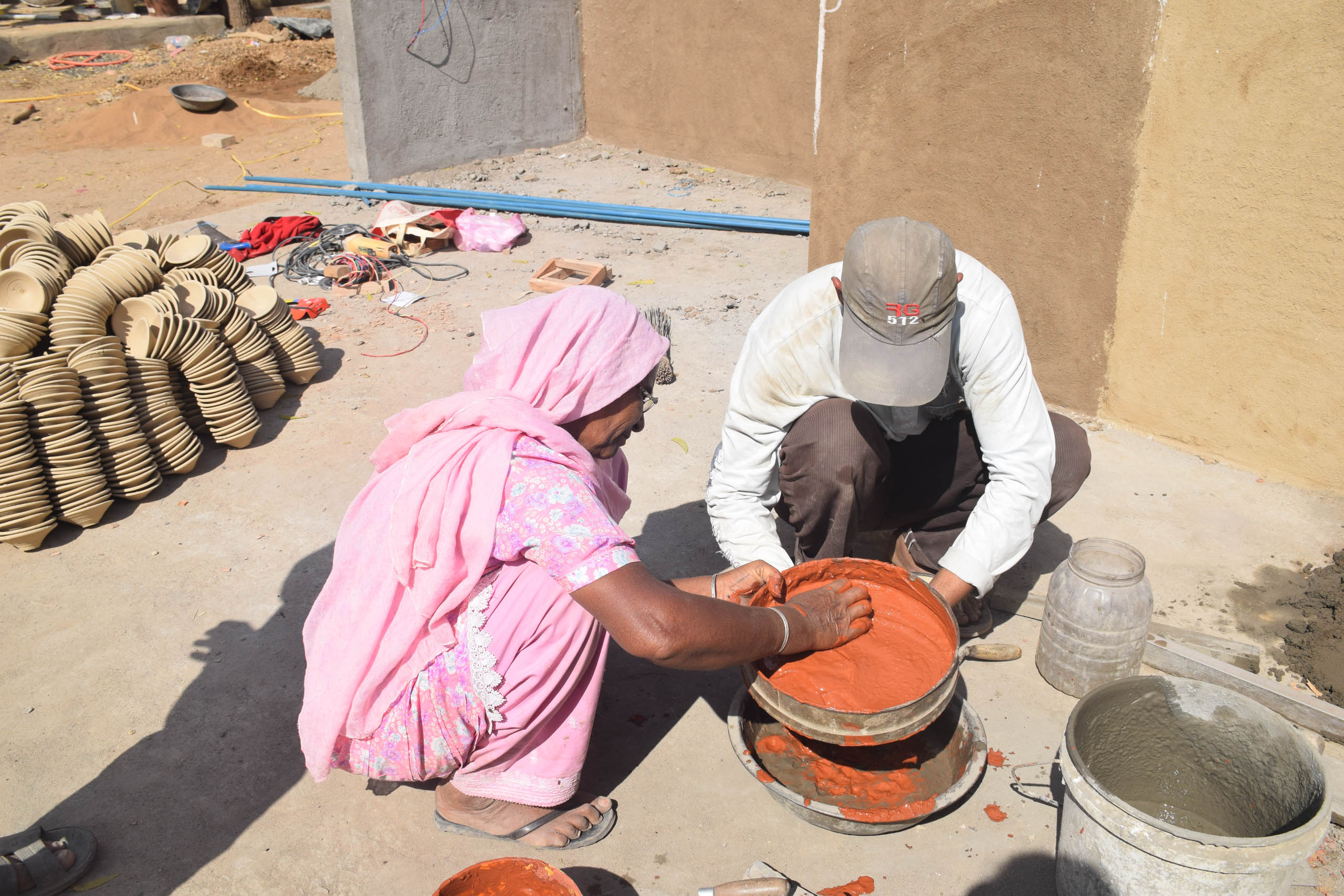
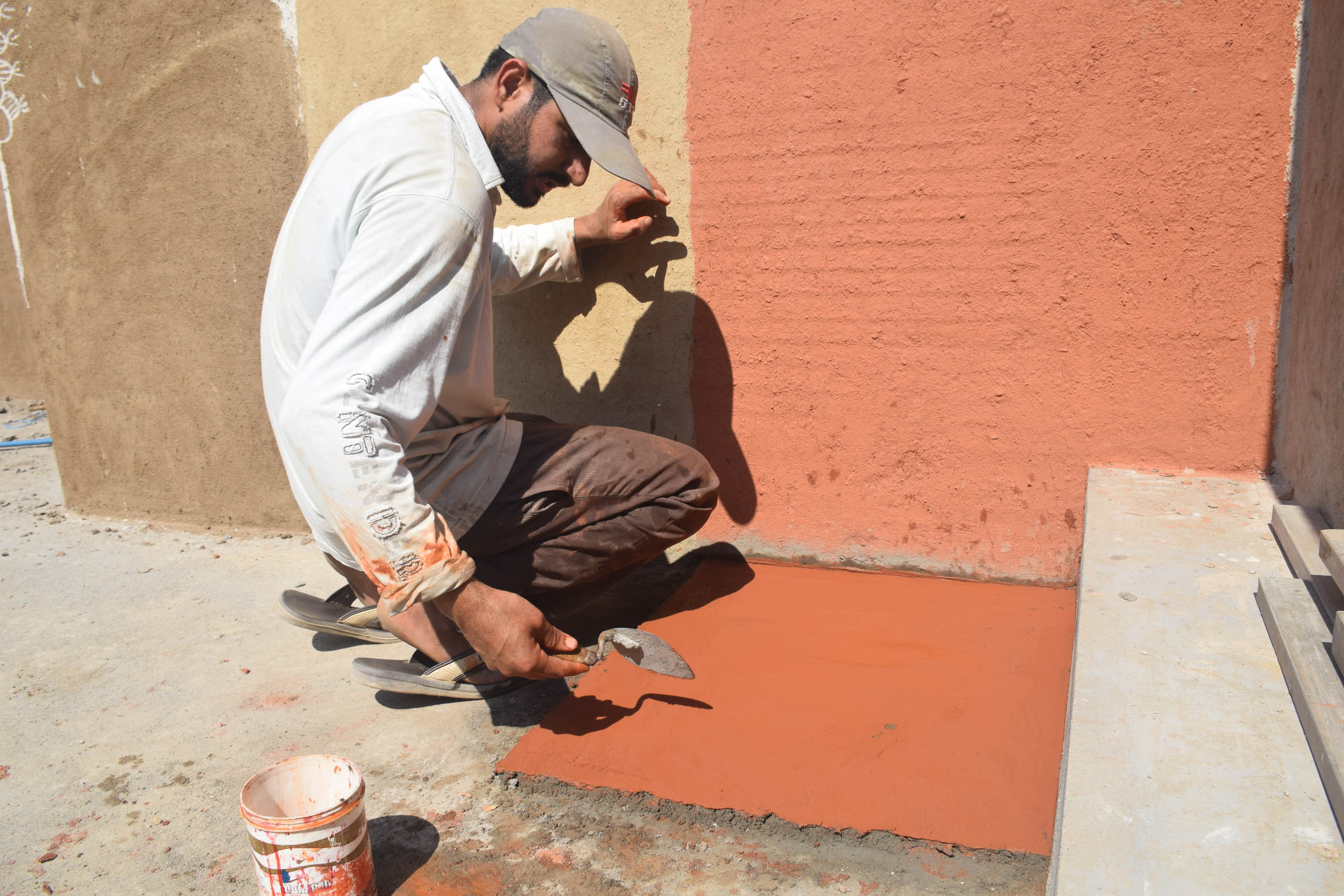
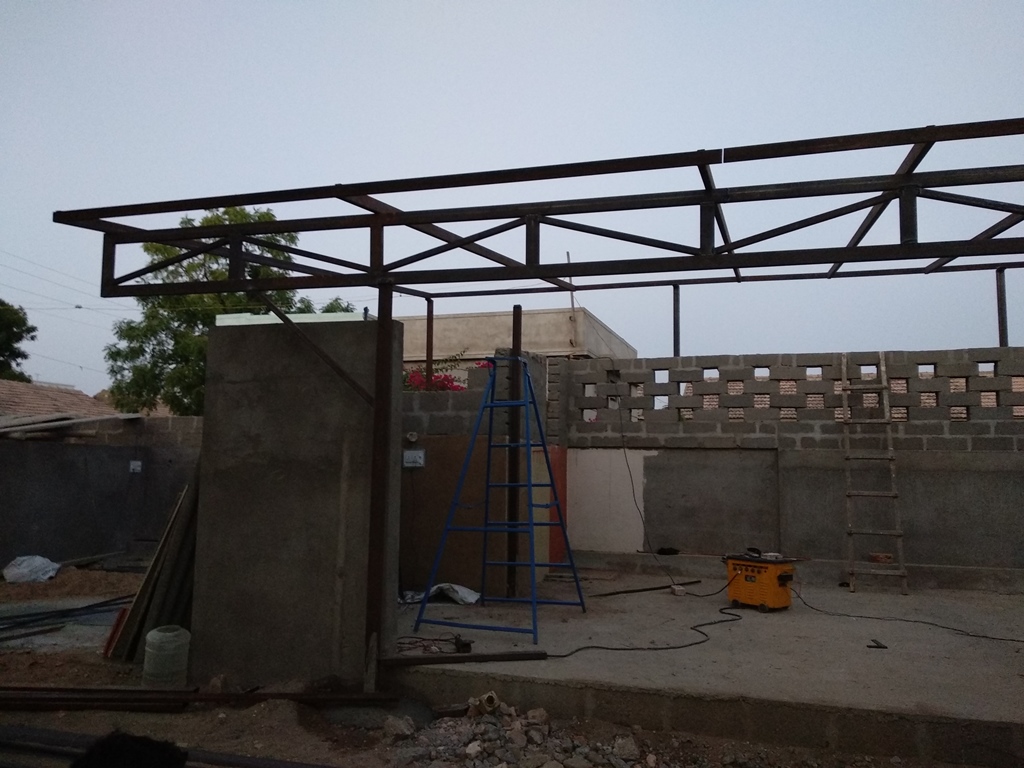
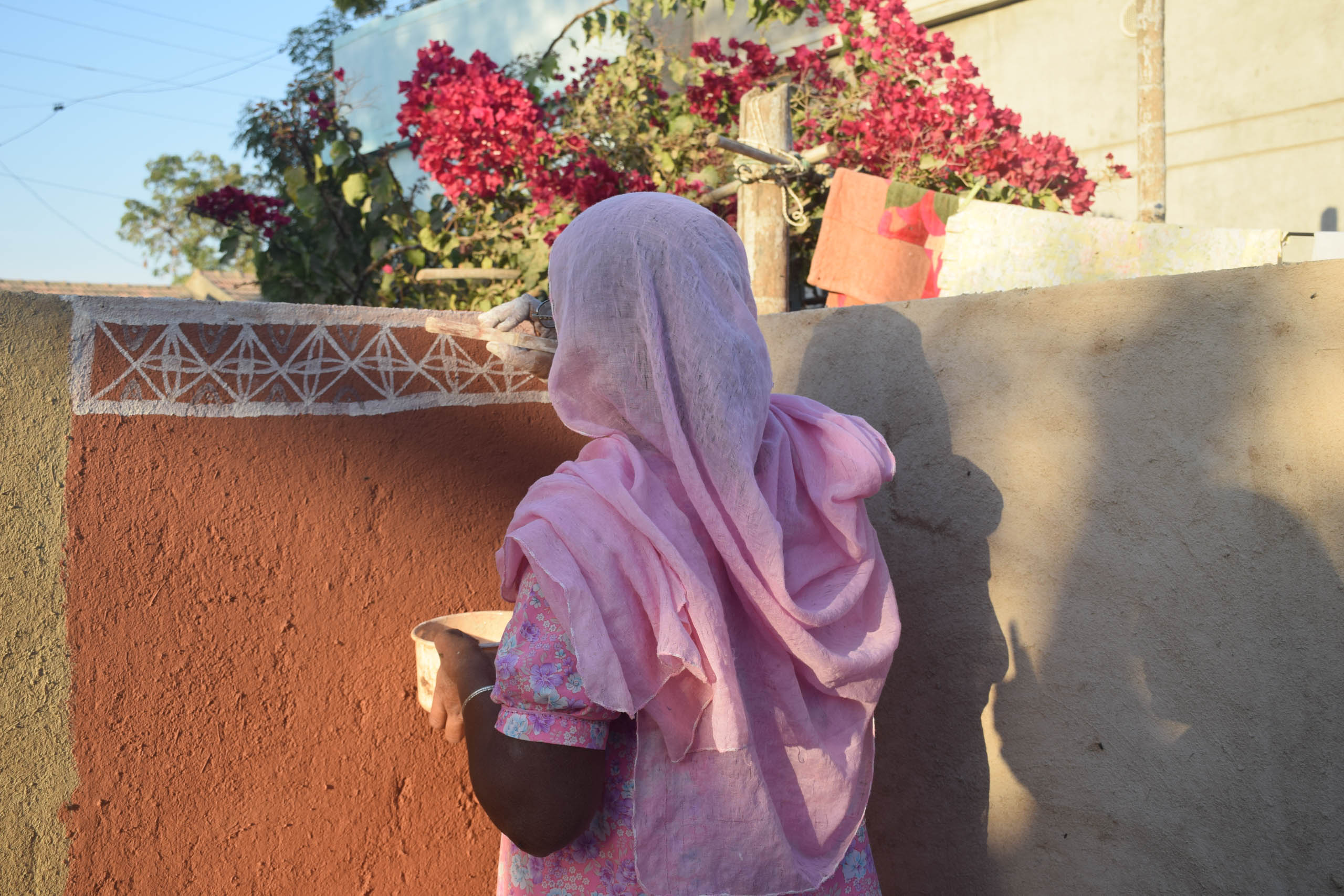
- Project execution: With a better efficacy to the house, the spatial reconfiguration allowed for more space for the craft practice, it allowed for a five-fold expansion in area for the practice, and for storage. The final execution even includes a display area which works like a retail shop to stell products.
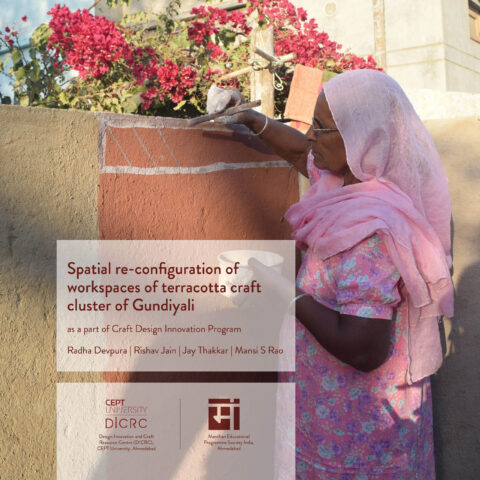
Booklets
Spatial re-configuration of workplaces of terracotta craft cluster of Gundiyali
Presentation
Spatial re-configuration of workplaces of terracotta craft cluster of Gundiyali by Team DICRC
Images
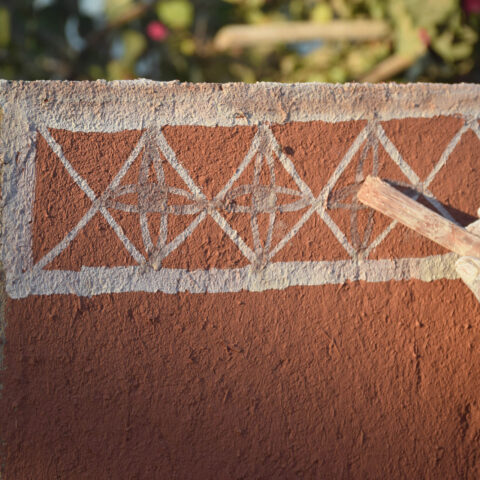
Spatial re-configuration of workspaces of terracotta craftspeople of Gundiyali
Collaborators
Organisers: Design Innovation and Craft Resource Centre (DICRC), CEPT University, Ahmedabad
Supporters: Manthan Educational Programme Society (MEPS), NSTEDB/Department of Science & Technology,Government of India